
Understanding Tear Testers
Tear testing is an essential quality control procedure utilized across various industries to evaluate the durability of materials, especially textiles, plastic films, and papers. The tear tester measures the resistance of materials to tearing, a critical factor in determining their longevity and usability in real-world applications. In this article, we will explore the intricacies of tear testers, focusing particularly on the advanced ElmenGuide Elmendorf Tear Tester, its features, and its relevance in contemporary quality control practices.
What is a Tear Tester?
A tear tester is a specialized instrument that determines a material’s tear strength by measuring the force required to propagate a tear. The Elmendorf Tear Tester, specifically, utilizes a pendulum mechanism to apply a controlled force to a material specimen, allowing for precise quantification of tear strength. This testing method is pivotal in sectors where material failure can lead to significant safety hazards or financial losses, including textiles, packaging, and construction.
How Tear Testing Works
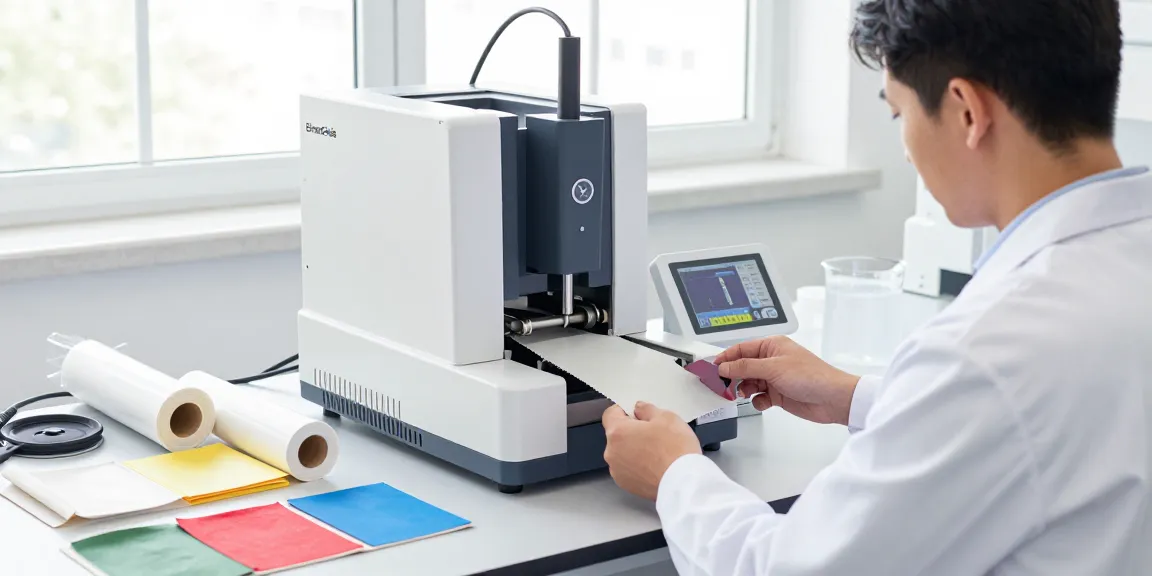
The operational principle of a tear tester involves clamping a fabric specimen between two holders and creating a notch using a built-in cutter. Once the notch is in place, a pendulum is released from a defined height, swinging down to tear the sample. The energy lost during this swing, measured as it passes through the notch, indicates the force required to continue tearing the material, thus providing a quantifiable measure of its tear resistance.
Importance of Tear Strength in Quality Control
The significance of measuring tear strength cannot be overstated in quality control. Products that experience tearing during their intended use can lead to product failure, customer dissatisfaction, and financial liability for manufacturers. By employing reliable tear testing methods, companies can ensure that their materials meet industry standards, thereby enhancing their reputation and sustainability.
Features of the ElmenGuide Elmendorf Tear Tester
Fully Automated Testing Capabilities
The ChiuVention ElmenGuide Elmendorf Tear Tester is designed with full automation in mind. This feature eliminates manual adjustments and calculations, streamlining the testing process. The tester automatically recognizes the hanging weight, adjusts the measurement range accordingly, and records results with remarkable speed and accuracy.
Accuracy and Compliance with Global Standards
When it comes to precision, the ElmenGuide tear tester stands out. It boasts an accuracy of ±0.2%, ensuring that test results are reliable and consistent. Furthermore, it complies with key international standards such as ASTM D1424, ISO 13937-1, and GB/T 3917-1, making it suitable for various applications in both academic and industrial settings. This compliance is vital for labs that must adhere to strict testing protocols.
User-Friendly Design and Ergonomics
The ElmenGuide’s design incorporates user-friendly features that minimize the learning curve for new operators. With its intuitive interface and ergonomic fixture, even novice users can operate the tester efficiently. Additional safety measures, like a dual-button activation system, ensure that operators maintain a safe distance from the pendulum during testing.
Comparative Analysis: ElmenGuide vs. Traditional Tear Testers
Efficiency and Speed of Testing
One of the most significant advantages of the ElmenGuide over traditional tear testers is its efficiency. Traditional models often rely on manual setups that can be time-consuming, while the ElmenGuide offers fully automated testing that reduces overall testing time. This speed is particularly beneficial in high-throughput environments where rapid testing is essential to meet production deadlines.
Cost Implications and Value for Money
While traditional tear testers may come with lower upfront costs, the long-term value of investing in an ElmenGuide is evident in its minimized risk of errors and enhanced testing efficiencies. Organizations can save on labor costs and time—factors that contribute to significant savings over time.
Technological Advantages of Digital Control
The integration of digital controls in the ElmenGuide enhances its functionality. It allows for better data management and easier access to testing results. Users can connect the tester to smartphones or PCs through the SmarTexLab App, facilitating real-time monitoring and reporting of testing data. This technological advancement represents a substantial leap forward in quality control processes.
Applications of Tear Testers in Various Industries
Textile and Fabric Testing
In the textile industry, tear strength is a critical parameter that influences the quality of fabrics used in garments, upholstery, and other applications. The ElmenGuide Elmendorf Tear Tester provides essential data for manufacturers to ensure that their products meet specific durability standards under varying conditions.
Plastic Film and Paper Applications
Plastic films and paper materials also undergo significant stress during processing and end-use. The ElmenGuide effectively measures the tear strength of these materials, helping companies ensure their products can withstand the demands of packaging and usage without compromising integrity.
Quality Assurance in Packaging Sectors
In packaging, tear resistance directly affects product safety and shelf life. The ElmenGuide offers critical insights for quality assurance teams, allowing them to evaluate packaging materials before they reach the market. Ensuring that packaging can endure the rigors of transportation and handling is vital for reducing waste and enhancing consumer satisfaction.
Future Trends in Tear Testing Technology
Emerging Innovations and Automation
The landscape of tear testing technology is continually evolving. Future innovations may include even more advanced automation capabilities, making tear testing quicker and more accessible to a broader range of users. Furthermore, developments in AI and machine learning could lead to smarter tear testers that anticipate maintenance needs and improve operational efficiency.
Integration of IoT in Quality Control Processes
As the Internet of Things (IoT) expands, integrating IoT technology into quality control processes will become increasingly prevalent. Tear testers, such as the ElmenGuide, are already beginning to adopt IoT for data sharing and real-time reporting, paving the way for enhanced collaboration across departments within organizations.
Predictions for Tear Testing in 2026 and Beyond
Looking ahead to 2026, the role of tear testers will likely expand significantly. With the ongoing demand for superior quality and compliance in materials, the expectation is that more manufacturers will invest in advanced testing solutions. The development of portable tear testers could also emerge, enabling on-site testing capabilities in various manufacturing environments.
What is tear testing?
Tear testing is a quality control procedure used to measure the resistance of a material to tearing under controlled conditions. It is critical in industries where durability, performance, and safety depend on a material’s ability to withstand forces that could cause it to tear.
How is a tear test performed?
A tear test generally involves cutting a notch into a material sample and subjecting it to a specified force through a pendulum or similar mechanism. The test measures the energy required to propagate the tear, providing valuable data on the material’s strength.
What materials can be tested with a tear tester?
Tear testers are versatile instruments that can test a wide range of materials, including woven fabrics, non-woven textiles, plastic films, and various paper types. This adaptability makes them essential in many sectors, from textiles to packaging.
What is the importance of tear strength in textiles?
Tear strength is a fundamental property in textiles, affecting the durability and longevity of garments and other fabric products. High tear strength indicates that the fabric can withstand various stresses, making it more suitable for demanding applications.
How to choose the right tear tester for your lab?
Selecting the appropriate tear tester depends on factors such as the types of materials being tested, the required accuracy, compliance with international standards, and budget considerations. Assessing these needs will help in making an informed decision.