
Understanding the Role of a New York Construction Manager
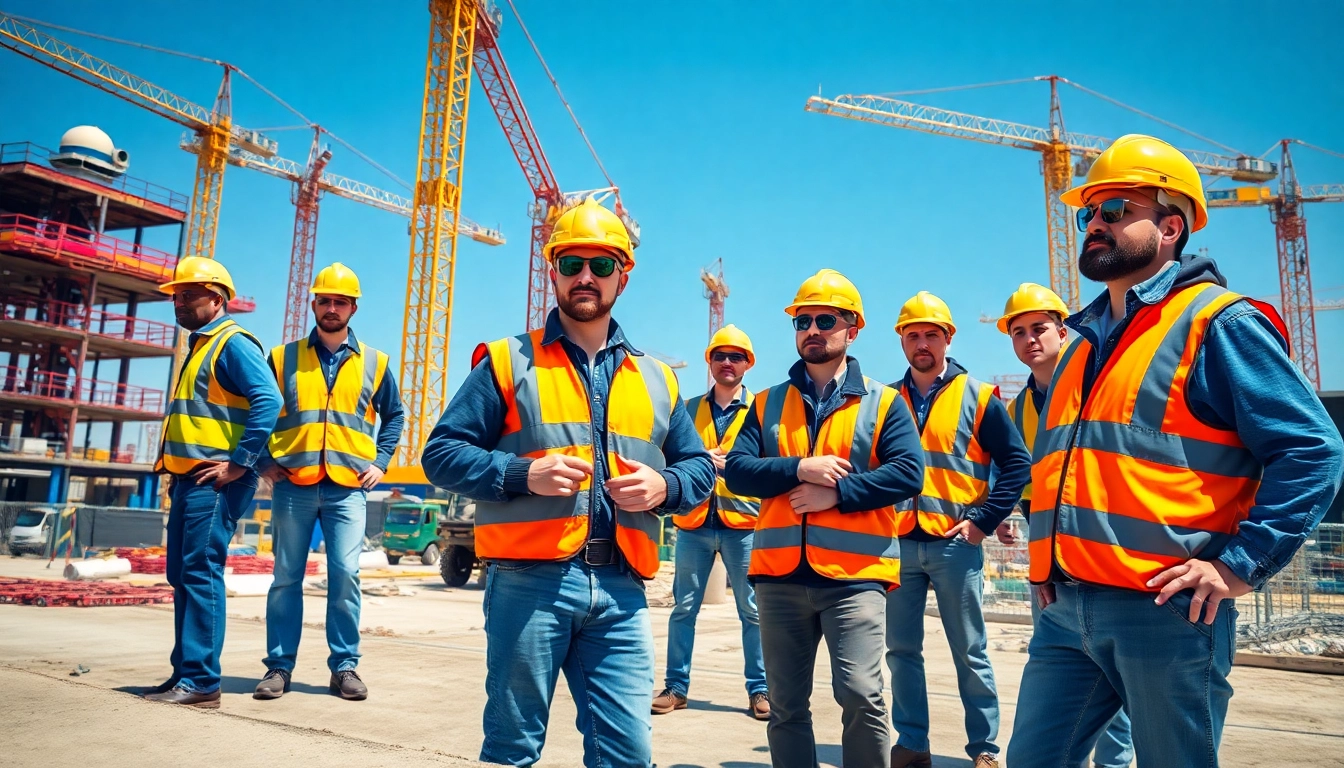
The construction industry in New York is known for its complexity and fast-paced nature. To navigate these challenges successfully, a New York Construction Manager plays a pivotal role. This individual acts as a central figure who oversees the planning, execution, and completion of construction projects. In this section, we will delve into the core responsibilities, essential skills, and the importance of collaboration within the scope of this vital role.
Defining Core Responsibilities
A construction manager’s primary responsibilities include project planning, resource allocation, and ensuring compliance with safety and zoning regulations. They serve as a liaison among various stakeholders, such as architects, engineers, contractors, and clients. By managing the workflow and maintaining communication, a construction manager ensures that projects are executed within budget and on schedule.
Skills Essential for Success
To be effective, a New York Construction Manager must possess a blend of technical and soft skills. Technical proficiency in construction methods, project management software, and regulations is crucial. Additionally, leadership, negotiation, and problem-solving skills greatly contribute to their effectiveness in managing teams and resources efficiently.
The Importance of Collaboration
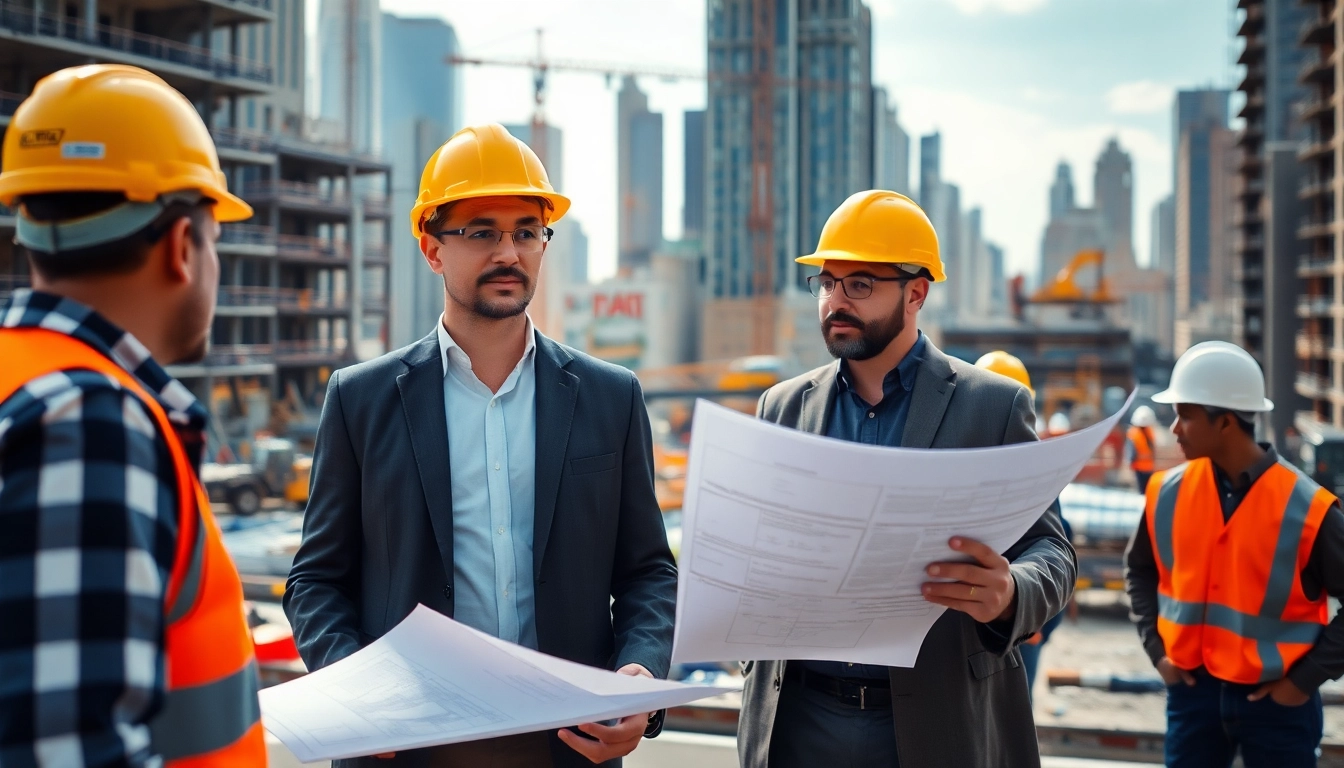
Collaboration is the cornerstone of successful construction management. Fostering a collaborative environment among diverse teams—construction workers, architects, and suppliers—ensures that everyone is aligned with the project goals. The construction manager must facilitate communication and resolve conflicts, thereby enhancing teamwork across all phases of the project.
Project Planning and Management
Effective project planning and management are imperative for ensuring a successful construction project. This involves careful scheduling, budget management, and risk assessment to prepare for any potential setbacks.
Effective Scheduling Techniques
Scheduling is a critical component of project planning. Techniques such as Gantt charts and Critical Path Method (CPM) allow construction managers to visualize timelines and dependencies. Efficient scheduling helps track progress, predict delays, and allocate resources appropriately, thereby ensuring that project milestones are met.
Managing Budgets and Resources
Budget management goes beyond mere financial oversight; it’s about allocating resources effectively. A construction manager must create comprehensive budgets that factor in labor, materials, equipment, and contingency funds. Regular budget reviews help identify discrepancies early, allowing for adjustments before issues escalate.
Risk Assessment Strategies
Identifying potential risks before they occur can save significant time and money. Regular risk assessments involve monitoring the project’s health, foreseeing challenges, and developing contingency plans. A proactive approach to risk management enables construction managers to mitigate issues that could impede project progress.
Safety Protocols in Construction Management
In a high-stakes environment like construction, safety cannot be an afterthought. Effective safety protocols not only protect workers but also enhance productivity and project longevity.
Implementing Best Practices
Safety best practices include regular safety meetings, hazard assessments, and equipment inspections. Construction managers must promote awareness and adherence to safety protocols among all workers to foster a culture of safety on the job site.
Training for Compliance
Training is essential for compliance with local and federal safety regulations. Continuous safety education helps ensure that all workers are aware of the risks they face and the measures they need to take to mitigate them. Moreover, it equips the team with the knowledge to respond swiftly in case of emergencies.
Emergency Preparedness Plans
Every construction site should have a robust emergency preparedness plan that outlines procedures for handling accidents, injuries, and natural disasters. By conducting regular drills, teams can familiarize themselves with these protocols, ensuring a coordinated response in emergencies.
Innovative Technologies for New York Construction Managers
The integration of innovative technologies can significantly enhance efficiency and effectiveness in construction management. From project management software to advanced construction tools, these advancements are reshaping the industry.
Utilizing Project Management Software
Project management software offers construction managers powerful tools for monitoring tasks, deadlines, and collaboration. Platforms like BIM (Building Information Modeling) facilitate real-time updates and communication among stakeholders, which streamlines project execution.
The Impact of Drones and 3D Modeling
Drones have become increasingly popular for site surveys and inspections, providing aerial views that are invaluable for monitoring progress. Additionally, 3D modeling technology allows for detailed visualization of projects before ground-breaking, enabling better design choices and cost assessments.
Smart Construction Solutions
The advent of IoT (Internet of Things) in construction means that construction managers can now monitor equipment and resources in real time. Smart solutions enable predictive maintenance, reducing downtime and increasing project efficiency through data-driven decision-making.
Future Trends for New York Construction Managers
The construction landscape is evolving rapidly, influenced by sustainability efforts, technological advancements, and regulatory changes. Understanding these trends will prepare construction managers for future challenges and opportunities.
Green Building Practices
As society becomes more environmentally conscious, green building practices are gaining momentum. New York Construction Managers must embrace sustainable techniques, such as energy-efficient building materials and waste management systems, to not only meet client demands but also comply with stricter regulations.
Workforce Development and Training
With the increasing complexity of construction projects, investment in workforce development is crucial. Continuous training programs equip employees with the latest skills and knowledge, thus improving overall project delivery and employee satisfaction.
Adapting to Regulatory Changes
The construction industry is subject to changing regulations related to safety, labor, and environmental protection. Construction managers should stay informed about these changes to maintain compliance and avoid penalties that could disrupt project timelines.
FAQs
What does a New York Construction Manager do?
A New York Construction Manager oversees construction projects, ensuring they are completed on time, within budget, and according to safety regulations.
What skills are needed for a successful construction manager?
Essential skills include project management, problem-solving, effective communication, and knowledge of construction protocols and regulations.
Why is safety important in construction management?
Safety is vital to protect workers and ensure compliance with regulations, minimizing accidents and fostering a productive work environment.
How do construction managers manage project budgets?
Construction managers create detailed budgets, monitor expenses, and adjust allocations as needed to ensure projects remain financially viable.
What technological tools do construction managers use?
They utilize project management software, drones, 3D modeling, and IoT devices to improve efficiency and communication throughout the construction process.