
Understanding Construction Site Safety
Definition and Importance
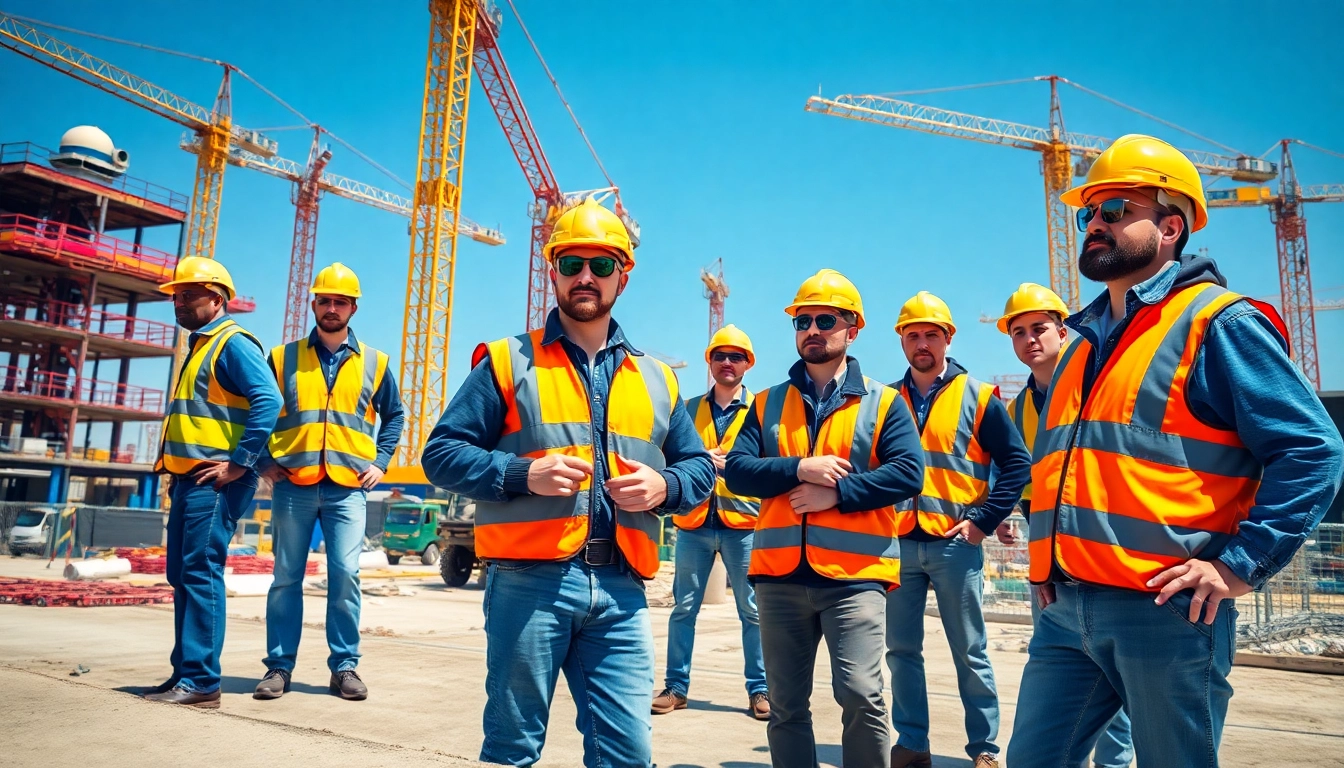
Construction site safety refers to protocols and guidelines established to ensure the well-being of workers and the public on construction premises. It encompasses a wide range of practices designed to minimize injury and accidents, ensuring that every individual adheres to essential safety measures. One cannot overstate the importance of construction site safety, as it not only protects employees but also contributes to the overall efficiency of a project. A safe construction site can lead to improved productivity, reduced liability costs, and a better reputation for construction firms.
Common Risks and Hazards
Every construction site presents unique challenges and hazards. Some of the most common risks include:
- Falls: One of the leading causes of construction-related injuries, falls can occur from heights, ladders, or scaffolding.
- Slips and Trips: Wet surfaces, uneven ground, and loose materials can create tripping hazards.
- Equipment-related Injuries: Heavy machinery and tools can cause severe injuries if not used correctly.
- Exposure to Hazardous Materials: Workers may come into contact with harmful substances like asbestos or lead.
- Electrical Hazards: Poorly maintained wiring or faulty equipment can lead to electrical shocks.
Key Regulations and Standards
Construction sites are required to comply with various regulations and standards, such as those set forth by the Occupational Safety and Health Administration (OSHA) and other local agencies. It is crucial for construction firms to stay updated on these regulations as they often outline specific safety practices, training requirements, and reporting protocols. Regular audits and compliance checks can enhance safety and confirm adherence to these mandatory guidelines.
Essential Safety Gear and Equipment
Personal Protective Equipment (PPE)
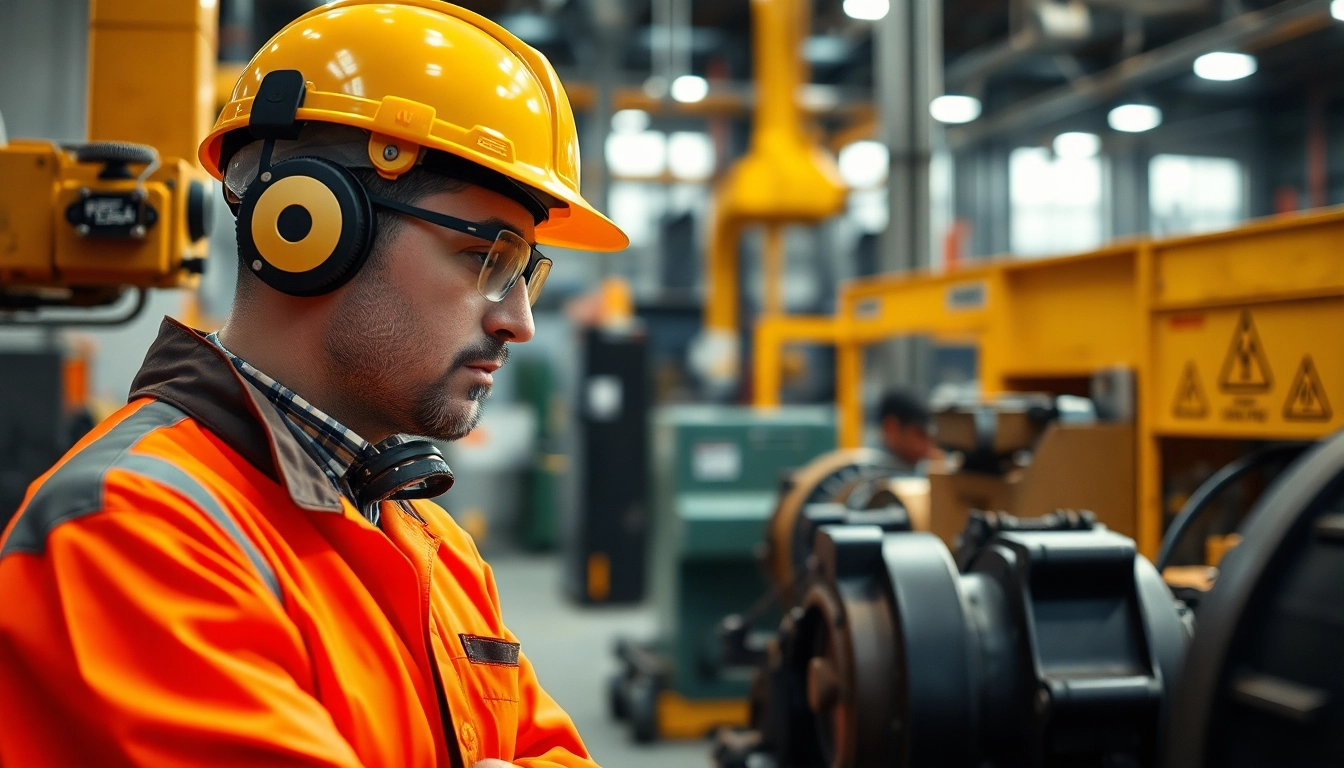
Personal Protective Equipment (PPE) plays a pivotal role in safeguarding workers on site. Essential gear includes:
- Helmets: Protect against head injuries from falling objects.
- Safety Glasses: Guard against debris and splashes.
- Ear Protection: Limit exposure to noise levels that can result in hearing damage.
- Gloves: Protect hands from cuts and abrasions.
- Boots: Steel-toe boots prevent foot injuries from heavy equipment.
Safety Tools and Gear
A range of tools and equipment is necessary for maintaining safety on construction sites. This includes:
- First Aid Kits: Equipped with essential medical supplies for immediate treatment.
- Fire Extinguishers: Crucial for controlling and extinguishing fires before they escalate.
- Lifting Equipment: Tools designed for safely lifting heavy materials to prevent back injuries.
Signage and Communication Devices
Effective communication is crucial in maintaining safety on construction sites. Clear signage indicating hazards, safety protocols, and emergency exits should be prominently displayed. Additionally, communication devices such as two-way radios can facilitate instant communication in case of emergencies, ensuring that every team member is informed and able to respond adequately.
Best Practices for Risk Management
Conducting Safety Inspections
Regular safety inspections are vital for identifying and mitigating risks on construction sites. These should include:
- Site Walkthroughs: Conduct thorough walkthroughs to identify hazards and ensure compliance with safety measures.
- Checklists: Utilize standardized checklists to ensure all areas are evaluated consistently.
- Documentation: Keep detailed records of inspections to track safety issues and resolutions.
Implementing Safety Training
Training workers to understand and implement safety measures is an essential part of risk management. Key components of effective training programs include:
- Equipment Training: Hands-on instruction on the proper use of machinery and tools.
- Emergency Response Training: Preparing workers to act decisively in emergencies.
- Ongoing Education: Regular workshops to refresh safety knowledge.
Encouraging Reporting and Feedback
Establishing a culture of open communication regarding safety is crucial. Workers should feel empowered to report unsafe conditions without fear of reprisal. Mechanisms for reporting near misses, accidents, and unsafe behaviors can lead to prompt corrective action and an overall enhancement of site safety.
Crisis Management and Emergency Procedures
Creating Emergency Response Plans
Preparing for emergencies before they happen is key to minimizing impact. Effective emergency response plans should include:
- Evacuation Procedures: Clearly defined routes for workers to exit safely in emergencies.
- Assigned Roles: Designating personnel to manage emergencies, such as first responders within the site.
- Updating Plans: Regular revisions of emergency plans based on site changes or incidents.
Implementing First Aid Protocols
First aid readiness can significantly impact outcomes in emergencies. Protocols should cover:
- First Aid Training: Ensuring a qualified number of employees are trained to administer first aid.
- Equipment Availability: First aid kits should be easily accessible, stocked, and regularly checked.
Conducting Drill Exercises
Regular emergency drills are crucial for worker preparedness. These should simulate various emergency scenarios, allowing workers to practice their roles and become familiar with the emergency processes. Evaluating the outcomes of these drills can highlight areas for improvement in readiness.
Evaluating and Improving Safety Measures
Performance Metrics for Safety
To gauge the effectiveness of safety measures, firms should establish key performance metrics. Consider evaluating the following:
- Incident Rates: Tracking the number of accidents and near misses to identify trends.
- Safety Training Completion Rates: Monitoring participation in safety training initiatives.
- Site Visit Evaluations: Regularly assessing compliance levels during safety inspections.
Adapting to New Technologies
Embracing new technologies can enhance construction site safety significantly. Incorporating tools such as drone inspections, wearables, and safety apps can lead to improved safety monitoring, real-time reporting, and proactive risk management. As technology evolves, staying informed about these advancements can help maintain optimal safety standards.
Continuous Training and Development
Continuous learning is crucial for safety improvement. Ensuring that employees engage in ongoing safety training and professional development can lead to greater awareness of risks. Periodically refreshing training programs to adapt to new techniques and technologies is essential for keeping safety protocols effective.
Frequently Asked Questions
What is the primary goal of construction site safety?
The primary goal of construction site safety is to prevent accidents and injuries, ensuring a secure environment for workers and the public.
What are the most common hazards found on construction sites?
Common hazards include falls, equipment-related injuries, electrical hazards, and exposure to hazardous materials.
How can workers report safety hazards?
Workers can report safety hazards through designated safety officers or communication channels set up for this purpose, ensuring they feel secure in speaking up.
What is the importance of PPE on construction sites?
PPE is essential for protecting workers from injuries related to falls, debris, and other hazards, significantly reducing the risk of harm on site.
Why are emergency drills necessary?
Emergency drills are crucial as they prepare workers for various scenarios, ensuring they know their roles and can respond effectively to emergencies.