
Understanding the Role of New York City Construction Manager
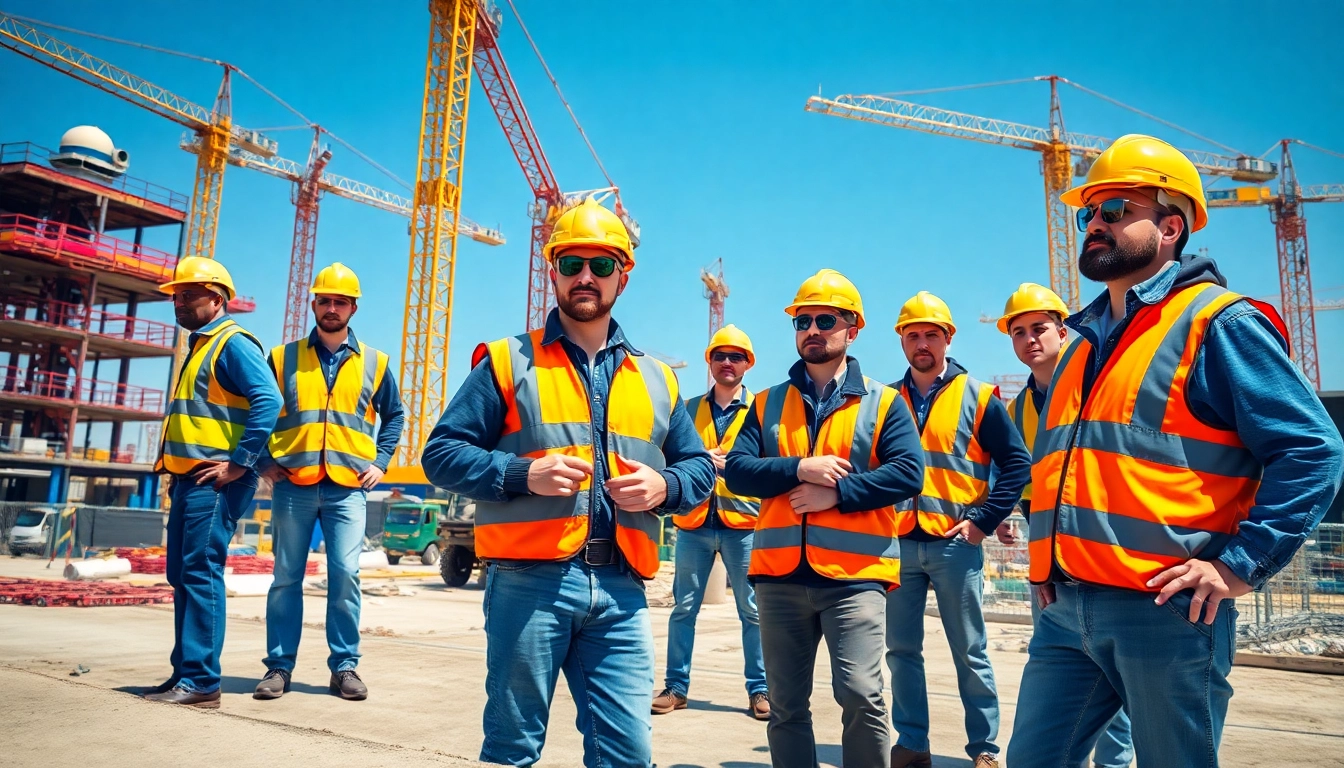
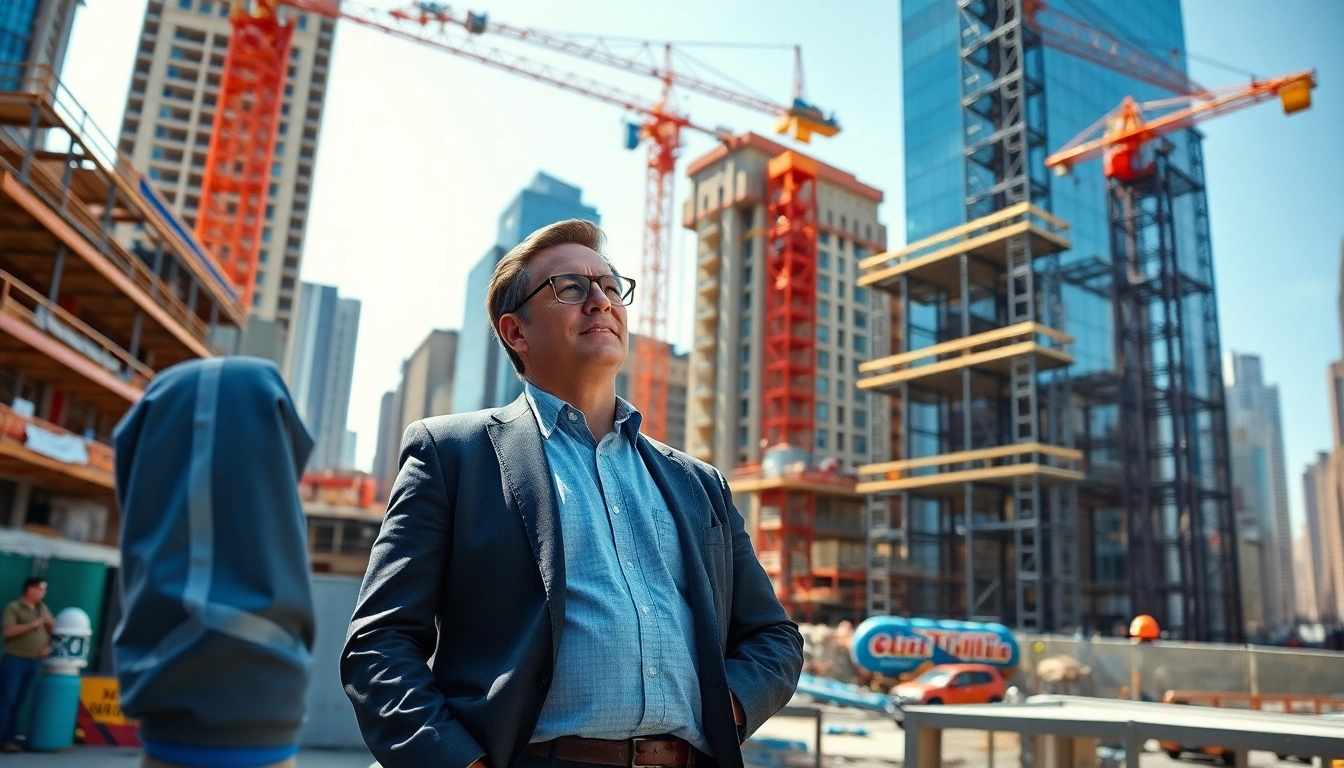
The New York City Construction Manager plays a pivotal role in realizing complex construction projects within one of the most dynamic urban landscapes in the world. This position requires a combination of technical knowledge, managerial skills, and an in-depth understanding of local regulations and community dynamics. As projects grow in scale and complexity, the responsibility of construction managers becomes more significant, necessitating an expert understanding of various aspects of construction management.
Key Responsibilities in Construction Management
The primary duties of a construction manager encompass overseeing the entire construction process, from pre-construction to project completion. Key responsibilities include:
- Project Planning: Developing detailed project plans, timelines, and budgets that align with client requirements and regulatory standards.
- Resource Management: Allocating resources efficiently, including labor, materials, and equipment to avoid delays.
- Quality Control: Ensuring that construction meets the established quality standards, conducting regular site inspections, and addressing any issues promptly.
- Compliance: Navigating local building codes, zoning laws, and safety regulations to ensure projects comply with legal requirements.
- Client Communication: Acting as the main point of contact for clients, facilitating regular updates, meetings, and addressing concerns as they arise.
Essential Skills for Effective Project Management
To excel as a construction manager in New York City, one must possess a blend of technical and interpersonal skills. These include:
- Leadership: The ability to lead diverse teams, motivate individuals, and cultivate a unified vision toward project completion.
- Negotiation Skills: Navigating contracts and resolving disputes requires strong negotiation skills to protect interests without compromising relationships.
- Technical Proficiency: Familiarity with construction methodologies, materials, and technologies is essential to make informed decisions.
- Problem-Solving: Quick and effective problem-solving abilities are crucial to address unexpected challenges during construction.
- Financial Acumen: Understanding budgeting, cost estimation, and financial management to keep projects financially viable.
Challenges Faced by Construction Managers in NYC
Managing construction projects in New York City presents unique challenges, including:
- Urban Constraints: Limited space and high population density demand innovative solutions to maximize space without compromising safety or compliance.
- Regulatory Complexity: Navigating multiple regulations and permit requirements can be time-consuming and often leads to delays.
- Weather Conditions: Unpredictable weather can impact schedules, requiring effective contingency planning.
- Labor Issues: The availability of skilled labor can fluctuate, which may impact project timelines and quality.
- Community Engagement: Balancing the interests of local communities while advancing projects is essential to maintaining good relationships with stakeholders.
Best Practices for New York City Construction Projects
Planning and Development Stages Explained
Effective planning is integral to the success of any construction project. The planning and development stages typically include:
- Feasibility Study: Assessing the viability of the project in terms of budget, design, and local regulations.
- Design Development: Collaborating with architects and engineers to create detailed designs that meet both functional and aesthetic standards.
- Permit Acquisition: Securing all necessary permits through rigorous adherence to local regulations and zoning laws.
- Budgeting: Creating a comprehensive budget that incorporates all aspects of the build, including contingencies for unexpected expenses.
- Scheduling: Developing a project timeline with key milestones to keep the project on track.
Stakeholder Communication for Project Efficiency
Effective communication among stakeholders—including clients, contractors, suppliers, and local authorities—is crucial for project success. Best practices include:
- Regular Updates: Sending weekly or bi-weekly progress reports to all stakeholders to maintain transparency and manage expectations.
- Feedback Mechanisms: Creating channels for stakeholders to provide feedback promptly can head off issues before they escalate.
- Collaborative Meetings: Holding regular meetings to discuss progress, address challenges, and refine procedures enhances teamwork.
- Using Technology: Employing communication tools and apps that facilitate real-time updates and feedback can significantly enhance efficiency.
Risk Management Techniques in Urban Construction
Risk management is a critical component of any construction project. Techniques popular among New York City construction managers include:
- Risk Assessment: Identifying potential risks early in the project through comprehensive risk assessments.
- Mitigation Strategies: Developing contingency plans and mitigation strategies to minimize the impact of identified risks.
- Insurance Coverage: Ensuring adequate insurance coverage to protect against financial losses resulting from unforeseen events.
- Regular Monitoring: Continuously monitoring the project environment for new risks and adjusting strategies accordingly.
- Training: Providing regular training sessions for staff on risk management practices can foster a strong safety culture.
Technological Innovations Impacting Construction Management
Utilizing Project Management Software
Project management software has revolutionized how construction managers operate, offering tools that streamline workflow, enhance collaboration, and improve tracking. Important features include:
- Task Scheduling: Automated scheduling tools help ensure that all team members know their roles and deadlines.
- Budget Tracking: Real-time budget tracking capabilities enable managers to identify overspending early and adjust as needed.
- Document Management: Centralized document storage reduces the risk of miscommunication and ensures everyone has access to the latest plans and specs.
- Progress Monitoring: Dashboards that summarize project progress help managers make informed decisions quickly.
- Integration capabilities: The ability to integrate with other systems and channels enhances the software’s effectiveness and supports a more collaborative environment.
The Role of Drones and 3D Modeling
New technologies like drones and 3D modeling are transforming construction management by providing valuable insights during the planning and execution phases:
- Drones: Used for site surveys, drones capture aerial images and data quickly, allowing for better site analysis and monitoring over time.
- 3D Modeling: 3D models provide a visual representation of the project, allowing stakeholders to visualize designs clearly before they are constructed.
- Site Inspections: Drones can access hard-to-reach areas for inspections, facilitating timely assessments while enhancing safety.
- Progress Tracking: Regular drone footage can be compared against 3D models to monitor progress and identify discrepancies early.
- Enhanced Collaboration: Visual data can enhance discussions with clients and stakeholders, leading to better-informed decisions throughout the project lifecycle.
Advancements in Sustainable Construction Practices
Sustainable construction is becoming increasingly central to the industry, especially in an urban environment like New York City. Key advancements include:
- Green Materials: Using eco-friendly materials reduces the environmental footprint of projects and appeals to environmentally conscious clients.
- Energy Efficiency: Incorporating energy-efficient systems and technologies into designs can lower operational costs and reduce emissions.
- Waste Reduction Techniques: Implementing waste reduction strategies such as recycling and reuse of materials enhances sustainability.
- Regenerative Practices: Incorporating design concepts that improve the surrounding environment, such as green roofs and vertical gardens.
- Building Certifications: Achieving certifications like LEED can enhance a project’s marketability and help clients meet sustainability goals.
Performance Metrics for Evaluating Success
Key Performance Indicators for Project Managers
Measuring the success of construction projects requires well-defined Key Performance Indicators (KPIs) that encompass various project aspects:
- Cost Performance: Comparing actual project costs to the budget to gauge financial efficiency.
- Schedule Performance: Tracking adherence to timelines and milestones to ensure projects remain on track.
- Quality Metrics: Evaluating the quality of work against predetermined standards and client satisfaction.
- Safety Incidents: Monitoring the number of accidents or near misses to assess the effectiveness of safety protocols.
- Client Feedback: Collecting client feedback after project completion to understand satisfaction levels and areas for improvement.
Post-Project Analysis and Learning
Conducting a thorough post-project analysis is essential for continuous improvement in construction practices:
- Reviewing Performance: Analyzing KPIs and comparing them with project goals can illuminate strengths and weaknesses.
- Lessons Learned Meetings: Facilitating meetings with the project team to discuss what went well and what didn’t fosters a culture of learning and improvement.
- Documentation: Compiling insights and recommendations into a report for future reference enhances knowledge sharing within the organization.
- Client Reviews: Engaging clients in a review session can help gather feedback that may not be captured through standard performance metrics.
- Benchmarking: Comparing project performance against industry standards can identify opportunities for growth and innovation.
Continuous Improvement in Construction Practices
Continuous improvement is essential in adapting to the ever-evolving construction landscape. Strategies include:
- Training and Development: Investing in workforce development ensures that team members are knowledgeable about the latest best practices and technologies.
- Adopting New Technologies: Keeping abreast of technological advancements can lead to improved efficiencies and reduced costs.
- Process Standardization: Establishing standardized procedures can lead to more predictable outcomes and reduce variability in project execution.
- Feedback Loops: Creating a culture where feedback is encouraged promotes innovation and problem-solving.
- Engaging External Experts: Collaborating with industry experts can provide new perspectives and approaches to existing challenges.
Frequently Asked Questions about New York City Construction Management
What qualifications should a New York City Construction Manager have?
Typically, a bachelor’s degree in construction management, civil engineering, or a related field, along with relevant experience and certifications, is required.
How does a Construction Manager handle project delays?
A construction manager will assess the cause of the delay, implement corrective actions, and communicate adjustments to stakeholders to realign the project schedule.
What is the average salary of a New York City Construction Manager?
The average salary varies based on experience and project size but generally ranges from $85,000 to over $150,000 annually in NYC.
What are common challenges in managing NYC construction projects?
Common challenges include regulatory compliance, urban site constraints, labor shortages, and the dynamic nature of city environments.
How can technology improve construction management efficiency?
Technology enhances efficiency through streamlined communication, improved project tracking, and the use of advanced tools like drones and modeling software.