
Understanding Physical Hazards
In any workplace, understanding the risks associated with physical hazard is critical for ensuring the safety and well-being of employees. Physical hazards can exist in practically every industry, from construction to manufacturing to offices, affecting workers in various ways. This article will delve into the definition, types, risks, and best practices associated with physical hazards, providing actionable insights for mitigating these risks effectively.
Definition of Physical Hazard
A physical hazard is defined as any condition or object that can potentially cause harm to individuals in the workplace. This includes anything from machinery and equipment to environmental conditions like noise and temperature extremes. Unlike other hazard classifications, such as chemical or biological hazards, physical hazards present tangible risks that can lead to injuries, accidents, and even fatalities if not appropriately managed.
Common Types of Physical Hazards
Common physical hazards include:
- Machinery: Equipment that poses risks if not properly guarded or maintained.
- Noise: Excessive sound levels that can lead to hearing loss over time.
- Temperature Extremes: Environments that are too hot or cold can lead to heat stress or hypothermia.
- Slips, Trips, and Falls: Hazards caused by wet floors, uneven surfaces, or cluttered walkways.
- Electrical Hazards: Risks from exposed wiring or faulty equipment can lead to shock or fire.
- Workplace Violence: Situations where employees are at risk from aggressive behaviors of coworkers or outsiders.
Impact on Workplace Safety
The impact of physical hazards on workplace safety is profound. They are one of the leading causes of workplace injuries and can significantly affect employee morale, productivity, and overall well-being. Understanding how these hazards affect your specific environment is essential. Regular assessments and proactive measures to counteract risks can help mitigate these impacts, fostering a safer workplace atmosphere.
Recognizing Physical Hazard Risks
Recognizing physical hazards requires a combination of keen observation, thorough evaluations, and effective communication with employees. Here we explore how to identify hazardous conditions, conduct risk assessments, and utilize safety checklists effectively to ensure a safe work environment.
Identifying Hazardous Conditions
Identifying hazardous conditions starts with a systematic walkthrough of the workplace. Employers should encourage employees to report unsafe conditions immediately. Additionally, establishing a safety committee can help in identifying potential hazards through regular discussions and inspections. Techniques such as employee observation programs can also be valuable in highlighting unseen risks.
Conducting Risk Assessments
Risk assessments are critical for evaluating the level of danger posed by identified physical hazards. Assessments should include:
- Hazard Identification: Listing all potential hazards present in the environment.
- Evaluation of Risks: Determining the severity of potential injuries and the likelihood of occurrence.
- Prioritization: Ranking hazards based on their risk levels, focusing on addressing the most significant threats first.
- Control Measures: Proposing and implementing controls to mitigate the identified risks.
Regularly updating risk assessments is fundamental as workplace conditions change and new hazards emerge.
Utilizing Safety Checklists
Safety checklists serve as practical tools for ensuring workplace safety standards are met. They cover various topics including personal protective equipment, machinery safety, and emergency procedures. Regularly reviewing and updating these checklists as part of safety training ensures that employees remain vigilant about physical hazards. Moreover, involving employees in the checklist creation process can enhance awareness and compliance.
Best Practices for Mitigating Physical Hazards
Once hazards have been identified and assessed, implementing effective strategies to mitigate these risks is essential. Best practices for reducing physical hazards include the establishment of clear safety protocols, training programs, and proper usage of safety equipment.
Implementing Safety Protocols
Developing comprehensive safety protocols tailored to specific industries and work environments is crucial. These protocols should include:
- Standard Operating Procedures (SOPs): Detailed instructions on how to perform tasks safely.
- Emergency Response Plans: Procedures for responding to various emergency situations such as accidents and injuries.
- Reporting Mechanisms: Clear guidelines for reporting incidents or hazards without fear of retribution.
Regularly communicating and reinforcing these protocols through meetings can help ensure compliance and awareness among employees.
Training Employees on Safety
Safety training is a critical component of mitigating physical hazards. This training should encompass:
- Identifying Hazards: Ensuring employees understand what constitutes a physical hazard.
- Use of Safety Equipment: Training on the proper use and maintenance of personal protective equipment (PPE).
- Safe Work Practices: Teaching techniques to minimize risks while performing job duties.
To be most effective, safety training should be ongoing, incorporating new regulations and emerging hazards as necessary.
Utilizing Safety Equipment Effectively
Safety equipment can drastically reduce the risks associated with physical hazards. Employers must ensure that appropriate equipment is provided and well-maintained, including:
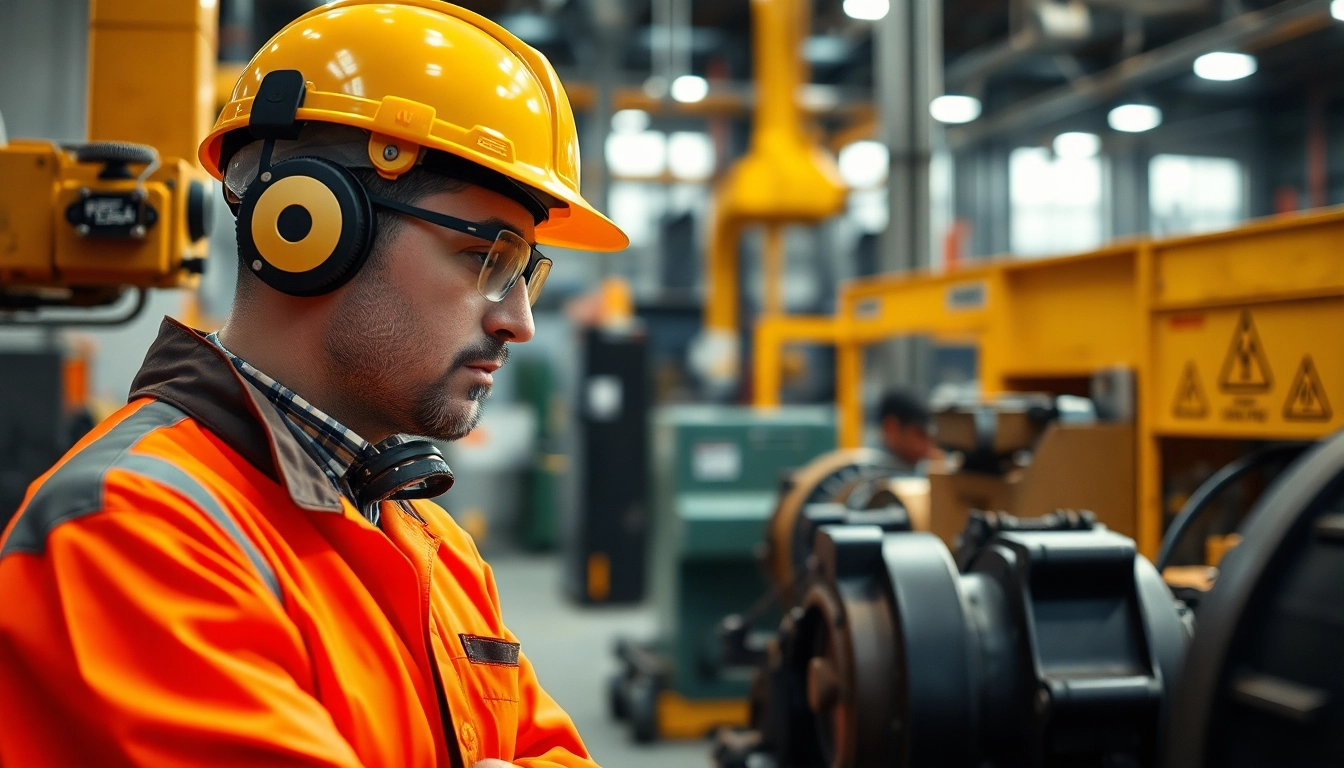
- Personal Protective Equipment (PPE): Includes helmets, gloves, goggles, and earplugs.
- Machine Guards: Devices installed on machinery to prevent accidental contact with moving parts.
- Ergonomic Tools: Equipment designed to reduce strain and enhance safety during manual tasks.
Training employees how and when to use safety equipment is equally important to maximize its effectiveness.
Monitoring and Reviewing Safety Measures
Mitigating physical hazards is an ongoing process that requires consistent monitoring and adjustments to safety measures. This section covers critical practices for evaluating and improving workplace safety standards.
Conducting Regular Inspections
Regular safety inspections help identify new hazards and evaluate the effectiveness of existing safety protocols. Inspections should be conducted by trained personnel and can include:
- Monthly Audits: Comprehensive assessments of safety practices and equipment.
- Spot Checks: Random inspections to ensure compliance with safety measures.
- Employee Feedback: Gathering input from employees on safety practices and conditions.
Inspection results should be documented and analyzed to inform future safety improvements.
Documenting Safety Incidents
Documenting safety incidents, regardless of severity, is vital for future prevention. Incident reporting should include:
- Details of the Incident: What occurred, when, and where.
- Injuries Involved: Any injuries incurred and their severity.
- Root Cause Analysis: Investigating the underlying causes of the incident.
This documentation not only helps with compliance but also aids in identifying patterns that could be prevented in the future.
Updating Safety Procedures
Updating safety procedures in response to changing conditions, regulations, or equipment is critical. Organizations should regularly review and amend safety policies based on:
- Inspection Findings: What the inspections reveal about compliance and hazard levels.
- Employee Feedback: Direct input from employees about effective practices or suggested changes.
- New Regulations: Changes in local, state, or federal safety regulations that need to be incorporated.
Regular reviews can help in standardizing procedures and ensuring that they remain relevant and effective.
Frequently Asked Questions About Physical Hazards
What is a physical hazard?
A physical hazard refers to any condition in the workplace that poses a risk of injury or harm, such as machinery, electrical sources, or slip and fall risks.
How can I identify physical hazards?
Regular walkthroughs, employee feedback, and safety inspections can help identify potential physical hazards.
What are common types of physical hazards?
Common physical hazards include machinery, noise, temperature extremes, and hazardous materials.
How can I mitigate physical hazards?
Implementing safety protocols, providing employee training, and using proper safety equipment can mitigate physical hazards.
Why is monitoring important for physical hazards?
Continuous monitoring ensures safety measures remain effective and provides opportunity for timely updates and improvements.