

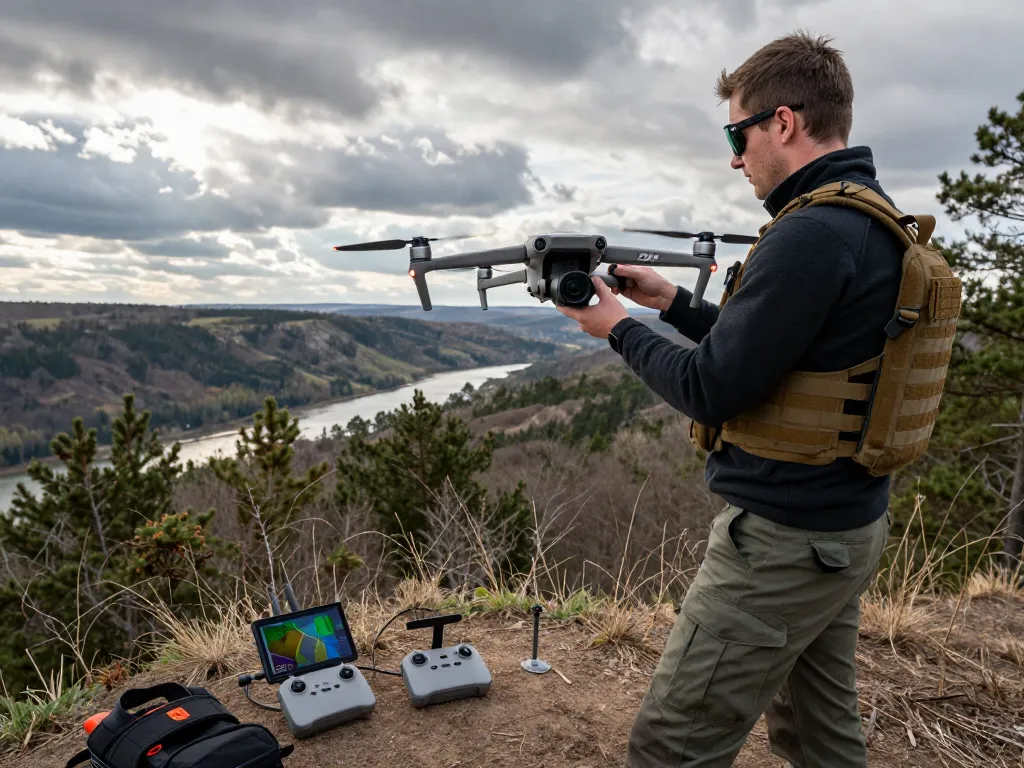
Introduction to the dji mavic 3t: An Overview
The dji mavic 3t represents a significant leap forward in drone technology, blending advanced imaging capabilities with robust flight performance. Designed for commercial and enterprise use, this drone has garnered attention due to its versatility and effectiveness in various applications. From emergency response to industrial inspections, the Mavic 3T stands out as a reliable tool that meets the demands of professionals across different sectors. Its integration of thermal imaging technology further enhances its value, providing critical insights that were previously difficult to obtain. With an emphasis on user-friendly features and operational efficiency, the Mavic 3T emerges as a game-changer in the ever-evolving drone landscape. For comprehensive insights into the dji mavic 3t, it’s essential to dive into its key features and specifications.
Key Features and Specifications
The DJI Mavic 3T is equipped with cutting-edge technology designed to enhance its operational capabilities. Key features include:
- 48MP Wide-Angle Camera: This high-resolution camera captures stunning images, enabling detailed visual inspection and analysis.
- Thermal Imaging Sensor: With a resolution of 640×512 pixels, the thermal camera allows for precise temperature measurements, making it invaluable for search and rescue missions.
- Flight Time: Offering a maximum flight time of up to 45 minutes, the Mavic 3T enables prolonged missions without the need for frequent recharges.
- Transmission Range: Capable of flying up to 32 km, this drone provides extensive coverage for large-scale inspections and mapping.
- Intelligent Flight Modes: Features like waypoints, follow-me mode, and cruise control enhance user experience and operational efficiency.
Applications Across Industries
The versatility of the DJI Mavic 3T enables its use across multiple industries. Here are some notable applications:
- Public Safety: Used by first responders for search and rescue operations, the thermal imaging capabilities help locate individuals in difficult terrains.
- Industrial Inspections: In sectors such as construction and energy, the drone’s high-resolution cameras assist in monitoring infrastructure integrity and detecting potential issues.
- Agriculture: Farmers utilize the Mavic 3T to conduct crop health assessments, employing thermal imaging to identify irrigation inefficiencies.
Comparative Analysis with Previous Models
When comparing the DJI Mavic 3T with its predecessors, such as the Mavic 2 Enterprise series, notable advancements are evident. The Mavic 3T offers superior camera specifications, improved flight stability, and a longer battery life. While earlier models lacked thermal imaging capabilities, the Mavic 3T merges thermal and visual data, providing a more comprehensive overview for various missions.
Understanding the Technology Behind the dji mavic 3t
Advanced Thermal Imaging Capabilities
The integration of a thermal imaging sensor in the dji mavic 3t is a defining feature. This sensor detects heat emitted from objects, which can be essential for applications like firefighting, search and rescue operations, and wildlife monitoring. The ability to switch seamlessly between visual and thermal views enhances situational awareness and decision-making in operational contexts.
High-Resolution Camera Features
Beyond thermal capabilities, the Mavic 3T’s optical performance is noteworthy. The 48MP wide-angle lens captures high-resolution images with remarkable clarity, making it suitable for detailed inspections and monitoring. The telephoto zoom lens further extends its capabilities, allowing users to examine distant subjects without compromising image quality.
Flight Performance Metrics
The flight performance of the Mavic 3T is engineered to meet the stringent demands of professionals. With a maximum take-off altitude of 6000 meters, it can operate effectively in various environments. Moreover, the drone’s flight stability is enhanced by advanced algorithms, ensuring reliable operation even in challenging weather conditions.
Practical Use Cases for the dji mavic 3t
Search and Rescue Operations
In emergency situations, time is of the essence. The DJI Mavic 3T has been deployed in numerous search and rescue operations, where its thermal imaging capabilities have proven critical. This technology allows teams to quickly locate missing persons, especially in dense forests or disaster-struck areas, significantly improving response times and outcomes.
Industrial Inspections and Mapping
For industries that rely on regular inspections, such as energy and construction, the Mavic 3T provides an efficient, cost-effective solution. The drone can cover vast areas in a fraction of the time it would take using traditional methods, delivering high-quality images for analysis and reporting.
Wildlife Monitoring and Research
Ecologists and researchers utilize the Mavic 3T for wildlife monitoring, leveraging its thermal imaging capabilities to track animal movements and gather data without disturbing their natural habitats. This non-invasive method of observation promotes better conservation practices and data collection.
Best Practices for Operating the dji mavic 3t
Preparation and Pre-Flight Checks
Successful drone operations begin with meticulous planning and pre-flight checks. Operators should inspect the drone for any damages, ensure battery levels are adequate, and verify that firmware is updated. Understanding local regulations regarding drone flight is also crucial for compliance and safety.
Safe Flying Techniques and Regulations
Adhering to safety protocols while flying the Mavic 3T is imperative. Pilots should maintain visual line-of-sight with the drone, avoid flying near airports, and respect no-fly zones. Utilizing the drone’s built-in safety features, such as obstacle avoidance and automated return-to-home capabilities, adds an extra layer of security.
Maintaining and Upgrading Your Drone
Regular maintenance is essential for ensuring the longevity and performance of the Mavic 3T. This includes cleaning the sensors and lenses, checking propellers for wear and damage, and performing software updates. As technology advances, keeping the drone’s firmware up-to-date allows operators to benefit from new features and improvements.
The Future of Drone Technology: Insights for 2026 and Beyond
Emerging Trends in Drone Applications
The future of drones appears promising with the advent of AI integration and advanced machine learning capabilities. The Mavic 3T could evolve to incorporate more autonomous features, allowing it to execute complex missions with minimal human intervention, thus enhancing operational efficiency across industries.
Integration with AI and Machine Learning
As drone technology progresses, the integration of AI and machine learning will transform how data is collected, analyzed, and utilized. Future models of the Mavic series may include advanced data processing capabilities, enabling real-time analytics and decision-making that can streamline various operational processes.
Predictions for the Next Generation of Drones
Looking ahead, we can expect drones to become increasingly compact, powerful, and user-friendly. The next generation of drones could incorporate improved battery technology for extended flight times, enhanced imaging sensors for superior data collection, and universally compatible platforms for diverse applications.
What is the dji mavic 3t used for?
The dji mavic 3t is utilized for a variety of professional applications, including but not limited to aerial photography, industrial inspections, agricultural monitoring, and public safety operations, showcasing its versatility and effectiveness in real-world scenarios.
How far can the dji mavic 3t fly?
With a maximum flight distance of 32 kilometers, the Mavic 3T allows users to cover extensive areas efficiently, making it an ideal choice for large-scale inspections and surveys.
Is the dji mavic 3t easy to fly for beginners?
Yes, the DJI Mavic 3T is designed with ease of use in mind, featuring intuitive controls and automated flight modes that make it accessible for both beginners and experienced pilots.
When did the dji mavic 3t come out?
The DJI Mavic 3T was launched on September 27, 2022, as part of the Mavic 3 Enterprise series, marking a significant milestone in DJI’s drone technology evolution.
What accessories enhance the dji mavic 3t experience?
To maximize the operational potential of the Mavic 3T, several accessories are recommended, including extra batteries for extended flight time, ND filters for improved image quality, and rugged carrying cases for safe transport.