
Understanding 3D Product Configurator Software
The rapid evolution of eCommerce and digital marketing has transformed how businesses interact with their customers. Central to this evolution is the rise of 3D product configurator software, a powerful tool that allows customers to visualize and customize products in real-time. This technology not only enhances the shopping experience but also improves conversion rates and customer satisfaction. In this article, we will explore the fundamentals of 3D product configurators, their features, benefits, applications, and best practices for implementation.
What is 3D Product Configurator Software?
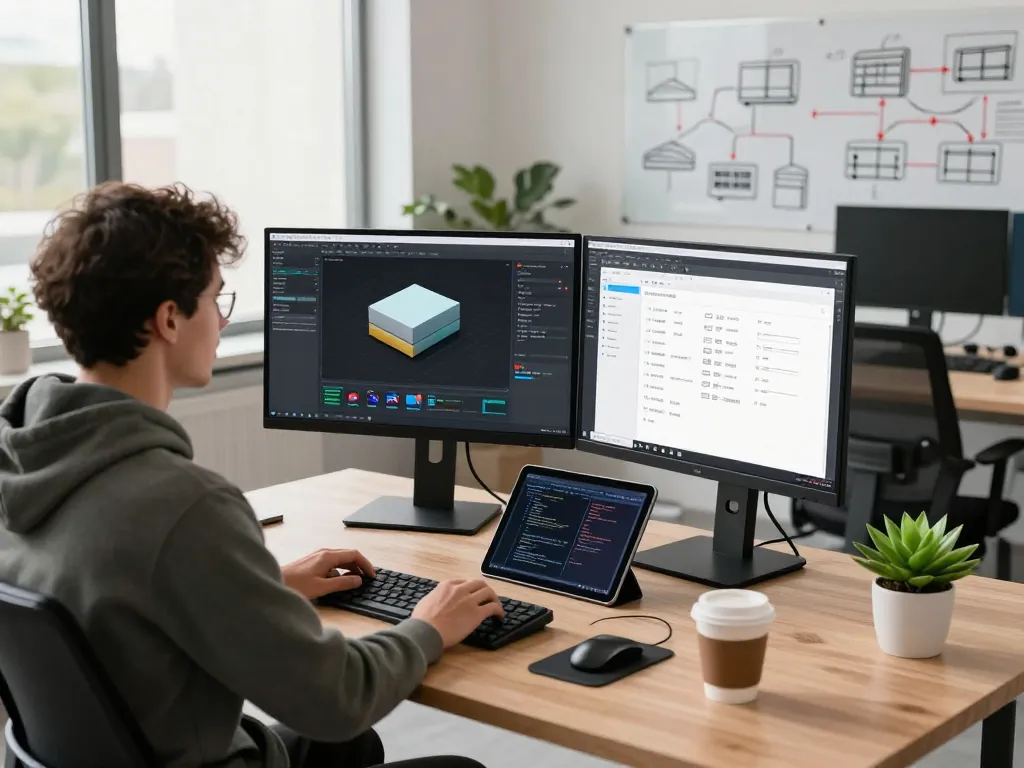
3D product configurator software is a digital application that enables users to manipulate product designs in a three-dimensional space. Customers can select options, modify dimensions, and see their customizations in real time. This software is particularly beneficial for industries where personalization and customization are crucial, such as fashion, furniture, and automotive sectors. By providing an interactive platform, businesses can engage customers more effectively and offer a unique shopping experience.
Key Features and Benefits
3D product configurators come equipped with a variety of features designed to enhance usability and customer experience. Key features include:
- Real-Time Visualization: Users can see changes as they make selections, providing immediate feedback.
- User-Friendly Interface: Intuitive design allows users of all technical levels to customize products easily.
- Integration Capabilities: Ability to integrate with existing eCommerce platforms and inventory management systems.
- Data Analytics: Provides insights into customer preferences and behavior, aiding in marketing strategies.
The benefits of adopting 3D configurators are substantial. They can lead to reduced return rates, as customers have a better understanding of what they are purchasing. Furthermore, by enhancing the customer experience, businesses can foster loyalty and encourage repeat purchases.
Common Applications Across Industries
Various industries utilize 3D product configurator software to meet their specific needs:
- Fashion: Customizable apparel that allows customers to choose fabrics, colors, and styles.
- Furniture: Tools that let customers visualize how a piece will look in their home, adjusting dimensions and finishes.
- Automotive: Configuration tools for customizing vehicles, from paint colors to interior features.
- Jewelry: Allows customers to design their pieces with various stones and settings.
Challenges in Implementing 3D Product Configurator Software
Technical Limitations and Integration Issues
While 3D product configurator software offers many advantages, businesses often face technical challenges during implementation. Integrating such software with existing eCommerce platforms may require significant technical expertise and financial resources. Additionally, ensuring that the configurator runs smoothly across all devices and browsers is essential for a seamless user experience.
User Adoption and Training Needs
For a 3D configurator to be effective, staff and customers must be willing to engage with the new technology. Training programs are often necessary to help users understand how to navigate and utilize the software effectively. This can be a time-consuming process, but is essential for maximizing the benefits of the tool.
Budget Considerations and ROI Analysis
The financial investment in 3D product configurator software can be considerable. Companies must conduct thorough ROI analysis to understand the expected return on investment. Factors to consider include the potential increase in sales, improved customer retention, and the reduction in product returns due to better visualization.
Best Practices for Utilizing 3D Product Configurator Software
Designing User-Friendly Interfaces
The success of a 3D product configurator often hinges on its usability. Designers should prioritize creating an intuitive interface that simplifies the customization process. Clear instructions, quick access to features, and a clean layout will help users navigate the configurator with ease.
Enhancing Customer Engagement and Experience
To maximize customer engagement, businesses should consider incorporating gamification elements into their configurators. Features such as 3D visualizations, AR integrations, or social sharing options can enhance the user experience, making product customization more enjoyable.
Leveraging Data Analytics for Continuous Improvement
Monitoring user interactions and preferences through data analytics is crucial for the continuous improvement of the configurator. By analyzing customer feedback and usage patterns, businesses can make informed updates and enhancements to their configurators, ensuring they meet evolving customer needs.
Case Studies of Successful 3D Product Configurator Implementations
Industry Leaders and Their Strategies
Several industry leaders have successfully implemented 3D product configurator software. For instance, automotive companies like BMW use configurators to enhance customer experiences, allowing potential buyers to customize their vehicles down to the smallest details. This level of personalization not only increases customer satisfaction but also boosts sales through enhanced engagement.
Lessons Learned from Real-World Applications
Through successful deployments, companies have learned the importance of user feedback in shaping their configurators. Engaging with customers post-purchase or through surveys can provide insights into what features work well and what can be improved.
Metrics for Measuring Success and Performance
To determine the effectiveness of a 3D product configurator, businesses should track various metrics, such as:
- Conversion rates before and after implementation
- Customer engagement levels with the configurator
- Reduction in returns due to better product visualization
Future Trends in 3D Product Configurator Software as of 2026
Emerging Technologies and Innovations
As technology continues to evolve, so too will the capabilities of 3D product configurators. The integration of AI and machine learning can enable more personalized experiences, predicting customer preferences based on past behavior. Moreover, advancements in AR will allow customers to visualize products in their own environments before making a purchase.
Predictions for Market Evolution
The market for 3D product configurators is expected to expand significantly in the coming years. With more businesses recognizing the importance of personalization, the demand for user-friendly and effective configurators will rise. This growth will necessitate ongoing innovation and adaptation from software providers.
Preparing for Changes in Consumer Behavior
As consumers become more accustomed to personalized shopping experiences, businesses must adjust their strategies accordingly. Integrating 3D product configurators will become critical to meeting customer expectations for interactivity and customization.
How can 3D product configurator software enhance eCommerce?
3D product configurator software enhances eCommerce by providing customers with immersive experiences that allow for personalization. This interactive engagement can lead to higher conversion rates and increased customer satisfaction, as customers are more likely to purchase products they can see and configure to their preferences.
What are the top tools available in 2026?
As of 2026, leading tools include Simplio3D, Zakeke, and Threekit, each offering unique features that cater to different industry needs. Businesses should evaluate these tools based on their specific requirements and customer engagement strategies.
How to choose the right solution for your business?
Choosing the right 3D product configurator requires careful consideration of various factors, including technical capabilities, user experience, integration potential, and cost. Businesses should also prioritize finding a solution that aligns with their specific product offerings and customer expectations.
What are common misconceptions about 3D configurators?
One common misconception is that 3D configurators are only suitable for high-end products. In reality, many industries, including retail, furniture, and automotive, can benefit from using these tools, regardless of price point.
How to train staff effectively on new software?
Effective training involves hands-on workshops, comprehensive guides, and ongoing support. Encouraging staff to engage with the configurator and providing them with tools to address customer inquiries can enhance their confidence and efficacy in using the software.