

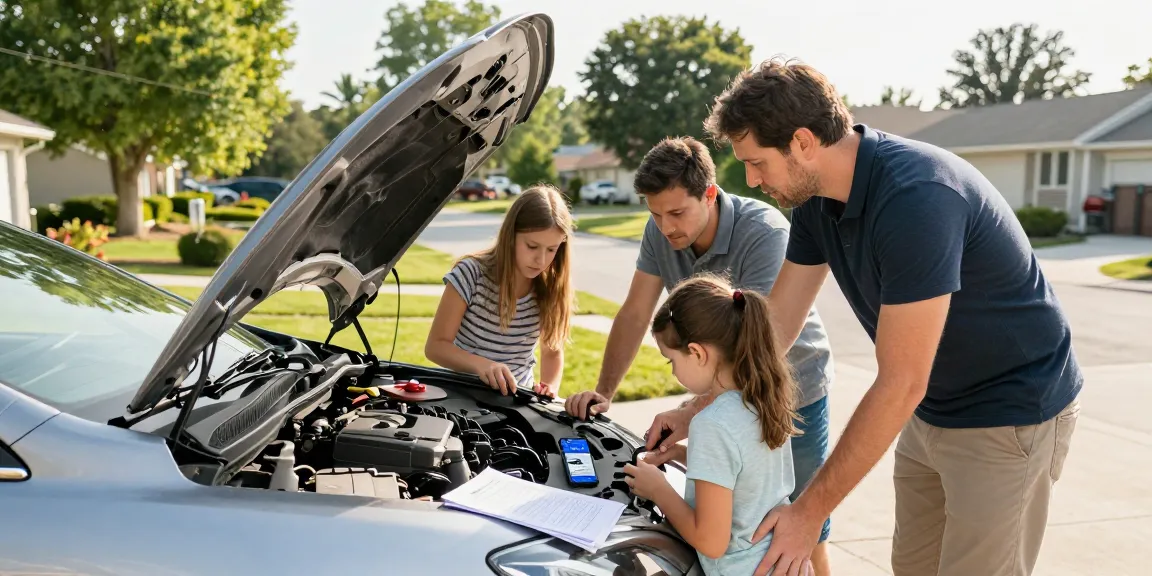
The Importance of Checking Vehicle History with Carfax
When purchasing a used car, the stakes are incredibly high; you might find yourself inheriting significant financial liabilities or unexpected repairs if you’re not cautious. One of the most vital steps in safeguarding your investment is to check the vehicle’s history. A detailed vehicle history report, such as those provided by carfax, can be a game-changer, helping you understand whether the car has been involved in accidents, suffered damage, or has any outstanding liens. By investing a little time and a small fee, you can make an informed decision that could save you from potential heartaches down the road.
Why Every Used Car Buyer Needs a Carfax Report
In 2026, with the rise of online marketplaces and private sales, the importance of obtaining a Carfax report cannot be overstated. A Carfax report compiles a wealth of information, including accident history, title status, odometer readings, and previous ownership records. This data is crucial for buyers who want to ensure that they are making a sound investment.
For example, consider a vehicle that appears to be in excellent condition but has a hidden accident history that could affect its performance. Without a Carfax report, you might overlook these critical details, leading to costly repairs or diminished resale value. Hence, checking the vehicle history through Carfax is not just a precaution; it’s a necessity for any serious buyer.
Common Risks of Skipping Vehicle History Checks
The risks of skipping vehicle history checks are more significant than many buyers realize. Each year, thousands of buyers unknowingly purchase cars with undisclosed problems. According to recent statistics, over $1 billion is lost to odometer fraud in the U.S. alone, with many buyers failing to recognize the discrepancy until it’s too late.
- Accident History: Vehicles that have been in serious accidents may have structural damage that isn’t readily visible. A Carfax report reveals such histories, allowing you to make a more informed choice.
- Outstanding Loans: Some used cars may still have loans on them, meaning that technically, the seller does not own the car. This can lead to severe complications down the road.
- Odometer Fraud: Misrepresenting mileage is a common tactic among unscrupulous sellers. A quick history check can unveil the true mileage of the vehicle.
Understanding What a Carfax Report Reveals
A Carfax report contains several key sections that provide critical insights into a vehicle’s history. Here are some of the most important elements:
- Title Information: This reveals whether the car has a clean title, salvage title, or is branded as a total loss.
- Accident Reports: Any reported accidents can be found here, along with details about the extent of damages.
- Service Records: Maintenance history can indicate how well the vehicle has been cared for, which is crucial for longevity.
Understanding these sections allows you to ask informed questions to the seller and negotiate based on concrete data rather than assumptions.
How to Use Carfax Effectively
Step-by-Step Guide to Accessing Your Carfax Report
Utilizing Carfax is straightforward. Follow these steps to access your report:
- Locate the VIN: The VIN (Vehicle Identification Number) can usually be found on the dashboard, door jamb, or title.
- Visit Carfax: Go to the Carfax website and enter the VIN in the appropriate section.
- Purchase the Report: Typically, a full report costs around $14.99. Once purchased, the report will be emailed to you instantly.
By following these steps, you’ll gain valuable insights that can help you make a smart purchasing decision.
Interpreting the Key Sections of a Carfax Report
Once you have your Carfax report, take time to carefully analyze each section. Key areas to focus on include:
- Title History: Ensure there are no surprises regarding the title’s status.
- Accident and Damage History: Look for any major incidents and assess if repairs were documented.
- Odometer Readings: Check for inconsistencies in mileage; these could indicate odometer tampering.
Understanding the nuances of your report helps you gauge the overall reliability and safety of the vehicle you intend to buy.
Tips for Negotiating Prices Based on Carfax Data
Equipped with a Carfax report, you can negotiate with confidence. Use the information gathered to support your case. For instance:
- If the report indicates previous accidents, use this to argue for a lower price.
- Highlight any issues regarding the vehicle’s title status to push for a better deal.
- Present expected repair costs based on the report to demonstrate potential future expenses.
Effective negotiation based on hard data can significantly affect the final sale price and make your purchase more economically sound.
Understanding Salvage Titles and Their Implications
What Is a Salvage Title and Why It Matters?
A salvage title indicates that a vehicle has been declared a total loss by an insurance company due to severe damage from an accident, theft, or other incidents. This classification is critical for prospective buyers since it can affect insurance premiums and the car’s resale value. Understanding what a salvage title means helps buyers recognize potential risks before making a purchase.
How to Identify and Avoid Salvage Title Risks
When assessing a vehicle, identifying a salvage title is crucial. Carfax reports include title branding information, making it easier for buyers to spot these risks. To safeguard yourself:
- Always check the title status through a Carfax report.
- Consult state DMV resources for additional insights on the vehicle’s title history.
- Be cautious of vehicles with salvage titles, as they can often come with hidden costs.
Carfax’s Role in Identifying Salvage Titles
Carfax plays a crucial role in revealing a vehicle’s title status, including whether it has a salvage title. This transparency allows buyers to make informed decisions while weighing the pros and cons of purchasing a salvage vehicle. If you’re considering a car with a salvage title, it’s critical to assess its repair history in detail, as not all salvage vehicles are alike.
Comparing Carfax with Other Vehicle History Providers
How Carfax Stands Out Among Competitors
While various vehicle history report providers exist, Carfax remains a leader in the industry due to its extensive data sources and user-friendly reports. Unlike its competitors, Carfax pulls data directly from over 112,000 sources, including state DMVs, auto auctions, and insurance companies, ensuring that you receive comprehensive information about a vehicle’s background.
Free VIN Lookup Options vs. Carfax’s Comprehensive Reports
Many buyers look for free vehicle history reports, but these often come with limitations. Free VIN lookup services may provide basic information, such as whether a car has been reported stolen, but they usually lack the depth of detail found in a paid Carfax report.
While free options have their place, investing in a full Carfax report can pay dividends in making sure you avoid purchase pitfalls associated with used cars.
Evaluating Cost vs. Value in Vehicle History Reports
The cost of a Carfax report is minor compared to the potential losses incurred from making an uninformed purchase. At around $14.99, the expense is a small price to pay for peace of mind and to ensure you’re making a sound investment. Evaluating the long-term value of a comprehensive vehicle history report can save you from costly mistakes and provide the confidence needed to drive off with your new vehicle.
Frequently Asked Questions About Carfax
How can I get a free Carfax report?
Free Carfax reports are often available through many dealer websites or by asking the dealer directly. It’s wise to check whether the vehicle you’re interested in has a complimentary report associated with it.
Is a Carfax report really necessary for used car purchases?
Absolutely. A Carfax report provides invaluable insights into a vehicle’s history that are essential for making an informed buying decision. Skipping this step can lead to costly surprises down the line.
What should I do if my Carfax report shows a problem?
If a report reveals issues such as accidents or title problems, consider having the vehicle inspected by a trusted mechanic. This step can help you determine whether the car is worth purchasing or if you should seek alternatives.
How do I interpret the accident history in a Carfax?
Accident history details the date, severity, and type of accidents reported. Always analyze this information closely. For instance, multiple minor accidents might be more concerning than a single serious incident that was well-repaired.
Can Carfax help with title washing identification?
Yes, Carfax can help identify title washing by showcasing the vehicle’s title history across states. Understanding whether the title has been altered or misrepresented can protect buyers from fraud.