

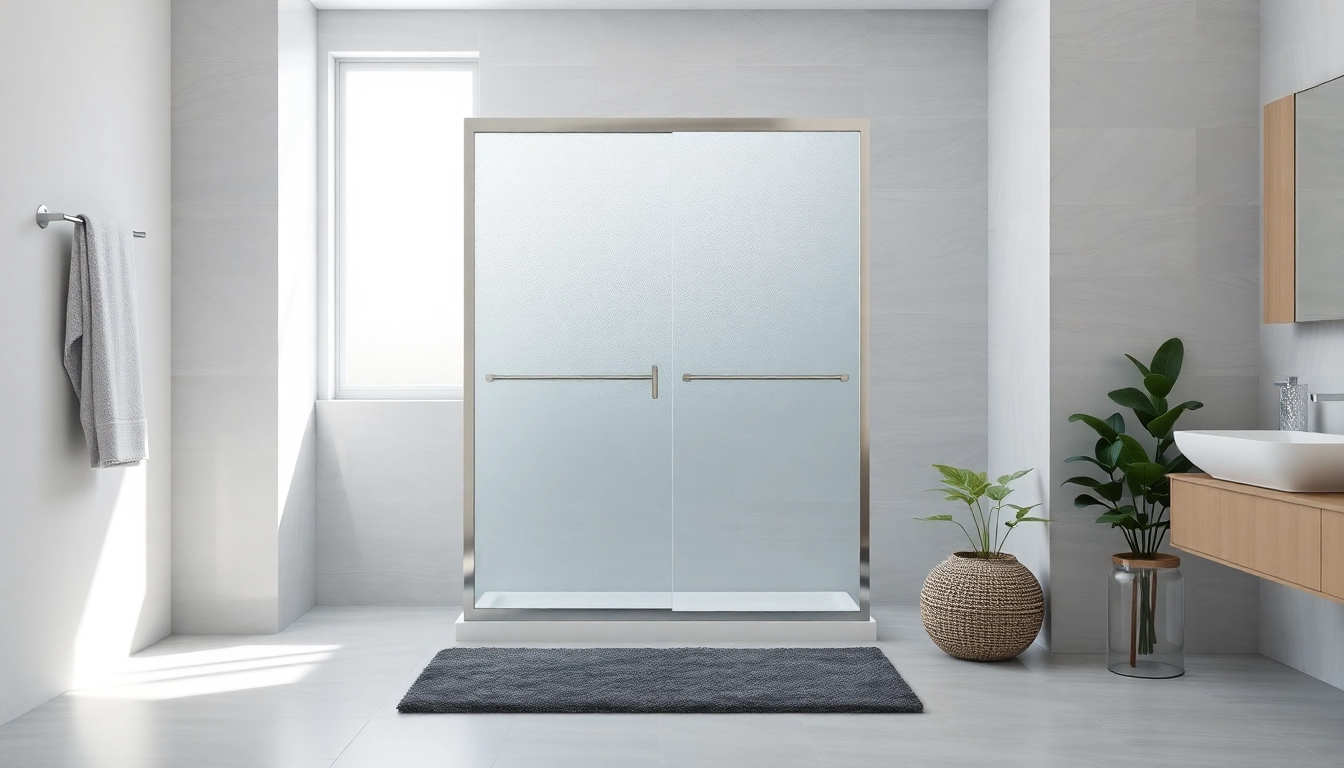
Understanding Shower Sliding Doors
What Are Shower Sliding Doors?
Shower sliding doors are a type of enclosure that features two or more panels of glass, which slide open and closed along a track system. Unlike traditional hinged doors, sliding doors do not swing outwards, maximizing available space in even the smallest bathrooms. Shower sliding doors can be crafted from various materials, styled to complement the bathroom’s aesthetics, and are designed to create a seamless transition between the shower area and the rest of the bathroom. Incorporating shower sliding doors can provide practical benefits while enhancing the overall design of the space.
Benefits of Using Shower Sliding Doors
The use of shower sliding doors presents several significant advantages. One of the main benefits is space efficiency. For tighter areas, bypass doors are ideal as they require no extra clearance for opening. Additionally, their sleek design contributes to a modern aesthetic, making them suitable for various décor styles. Shower sliding doors also enhance light flow within the bathroom, promoting an airy feel. Maintenance is another important factor; many designs come with glass treatment options that resist water spots and soap scum, simplifying cleaning. Moreover, these doors can improve temperature retention in the shower area, creating a more comfortable environment.
Common Materials for Shower Sliding Doors
Shower sliding doors are available in a variety of materials, each offering unique properties. The most common material is tempered glass, known for its strength and safety features; when shattered, it breaks into small, less harmful pieces. Other options include acrylic, which is lighter and less prone to breaking, making it a popular choice for homes with children or pets. Framed designs typically utilize aluminum frameworks for durability, while frameless versions boast a sleek look with minimal hardware visibility. Additionally, a variety of finishes are available, from clear glass to frosted options, catering to various design preferences while providing privacy.
Choosing the Right Shower Sliding Doors for Your Bathroom
Key Considerations When Selecting Shower Sliding Doors
Choosing the right shower sliding doors involves several considerations to ensure the best fit for your bathroom’s specific needs. Start by evaluating the overall space; the size and layout heavily influence the type of door that will work best. Consider the aesthetics of the bathroom as well; doors are available in numerous styles and finishes that can either stand out as a focal point or blend seamlessly into the background. Moreover, assess your daily usage patterns; if the shower is frequented by multiple users, a sliding door with a robust track system is advisable for durability and ease of operation. Finally, be mindful of your budget, as costs can significantly vary depending on materials and design complexity.
Different Styles of Shower Sliding Doors
Shower sliding doors come in various styles that cater to different tastes and bathroom designs. Bypass doors, featuring two or more panels that slide over each other, are ideal for maximizing space. Single sliding doors, consisting of one fixed panel and one sliding panel, are perfect for narrower openings. There are also curved sliding doors that create a unique shape and allow for a more customizable fit, especially in corner showers. Additionally, whether opting for frameless or framed designs, each style contributes to different aesthetic choices; frameless designs offer a minimalist look, while framed variants provide additional stability and a classic feel.
Measuring Your Space for Shower Sliding Doors
Accurate measurements are crucial when selecting shower sliding doors to ensure a perfect fit. Begin by measuring the width of the shower opening at both the top and bottom, as well as the height from the base of the shower pan to the supporting wall. Remember to account for any wall irregularities and adjustments in wall finishes. Additionally, if there are obstructions in the way, such as shower heads or fixtures, these must be factored into logistics before installation. A correct measurement will not only facilitate the proper installation but also prevent potential issues that may arise from incorrect sizing.
Installation Process for Shower Sliding Doors
DIY Installation vs. Professional Help
When it comes to the installation of shower sliding doors, homeowners often face the decision between DIY installation and hiring professionals. DIY installation can be a satisfying project, saving money while allowing customization. However, it requires a solid understanding of installation instructions and construction basics. For those without the necessary experience, seeking professional assistance can ensure a proper fit and functioning mechanism without the risk of potential damage or safety hazards. Ultimately, a decision should weigh the skill level against the complexity of the installation process.
Tools Needed for Installing Shower Sliding Doors
Before beginning the installation of shower sliding doors, gathering the right tools is imperative. Necessary tools include a measuring tape for accurate distances, a level to ensure the door is hung correctly, a drill for creating necessary holes, screws for mounting the track, and a rubber mallet to gently tap parts into place. Other tools that might be helpful include a screwdriver, caulk gun, and safety glasses. Having everything ready beforehand minimizes interruptions and allows for smoother progress during installation.
Step-by-Step Guide to Installing Shower Sliding Doors
Follow these steps for a straightforward installation of shower sliding doors:
- Preparation: Begin by removing any existing doors or obstructions. Clean the area thoroughly.
- Measurements: Double-check measurements of both height and width and prepare the edges by verifying they are straight and smooth.
- Mark the Track Location: Position the top track on the wall, ensuring it is level, and mark installation points for drilling.
- Install the Track: Drill holes for the track and secure it to the wall using screws.
- Add the Bottom Track: Place the bottom track in the shower pan according to your measurements.
- Install the Doors: Attach the rollers to the doors and fit them onto the top track, then lower them into the bottom track.
- Check Operation: Test the operation of the doors to ensure they slide smoothly.
- Seal Edges: Use silicone caulk around the edges to prevent water leakage.
Maintenance Tips for Long-lasting Shower Sliding Doors
Cleaning Techniques for Shower Sliding Doors
To maintain the clarity and performance of shower sliding doors, regular cleaning is essential. A simple solution of vinegar and baking soda effectively removes grime and buildup. Apply the mixture with a soft cloth or sponge, avoiding abrasive materials that could scratch the glass. Rinse thoroughly with warm water and dry with a microfiber towel to prevent water stains. For tough stains, commercial glass cleaners specifically designed for shower surfaces can be used as long as they do not contain ammonia, which can damage door finishes.
Preventing Common Issues with Shower Sliding Doors
Common issues with shower sliding doors include tracks that become clogged with debris and rollers that wear down over time. To prevent these issues, make it a habit to clean the tracks regularly and inspect rollers for signs of wear. Lubricating the tracks and rollers with a silicone lubricant can enhance smooth operation. Additionally, adjusting door height to the correct level can prevent unnecessary strain on the door mechanism. These proactive steps can extend the longevity of your shower sliding doors and keep them functioning effectively.
When to Replace Your Shower Sliding Doors
Knowing when to replace shower sliding doors is crucial to maintaining a functional and attractive bathroom. Signs of wear and tear include difficulty sliding the doors, audible noise during operation, or visible cracks and chips in the glass. If cleaning and maintenance are no longer effective at restoring clarity or functionality, it may be time for a replacement. Additionally, if the doors do not match your current bathroom style or if there is a persistent issue with sealing, a modern upgrade can enhance both appearance and usability.
FAQs About Shower Sliding Doors
Are shower sliding doors good for small bathrooms?
Yes, shower sliding doors are ideal for small bathrooms since they don’t require extra space for doors to swing open, maximizing usable bathroom area.
How do I clean glass shower sliding doors?
To clean glass shower sliding doors, use a mixture of vinegar and baking soda. Apply it with a soft cloth, rinse, and dry with a microfiber towel for a streak-free finish.
Can I install shower sliding doors myself?
Yes, with the right tools and following proper instructions, many homeowners can install shower sliding doors themselves. However, professional installation is recommended for complex setups.
What styles are available for shower sliding doors?
Shower sliding doors come in various styles, including bypass, single sliding, and curved options, available in framed or frameless designs to suit different aesthetic preferences.
How long do shower sliding doors typically last?
With proper care, shower sliding doors can last 10 to 20 years, depending on the quality of materials and the frequency of maintenance.