
Introduction to the Sandakphu Trek
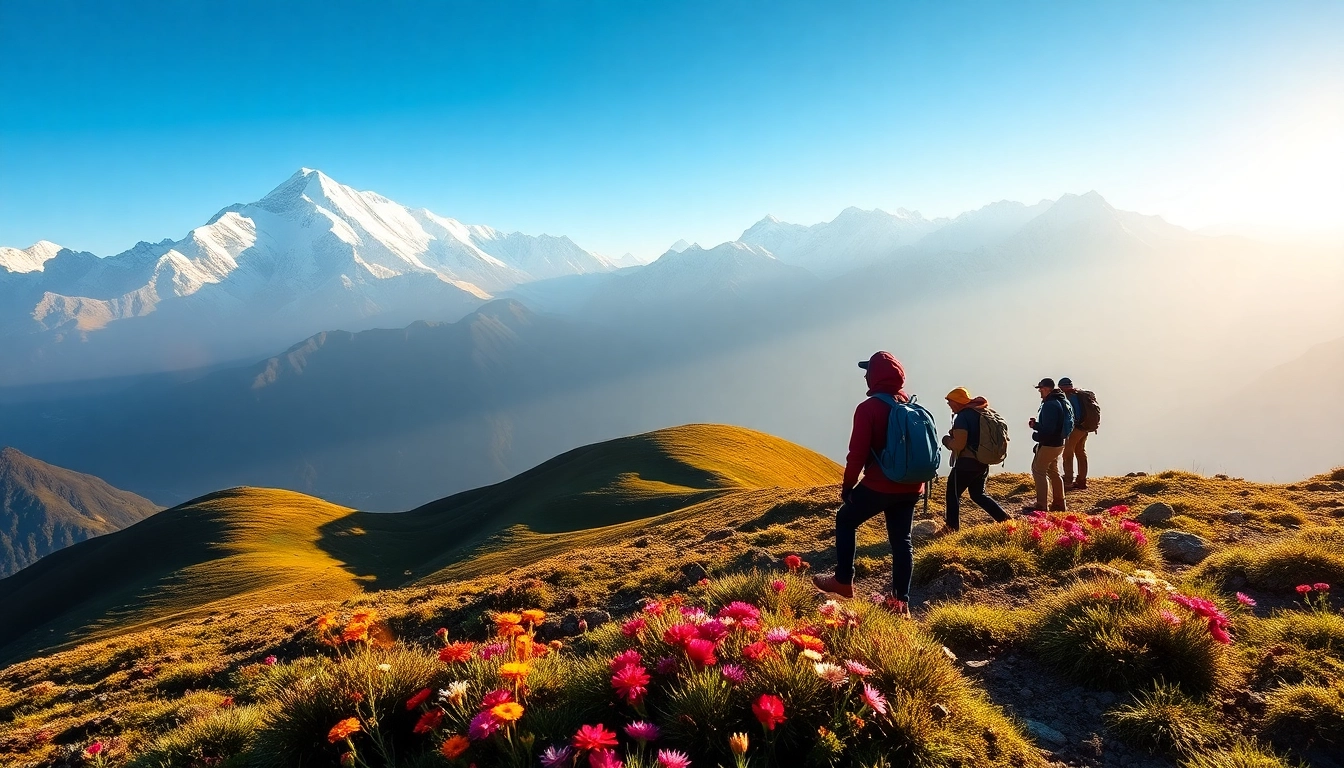
The sandakphu trek is a jewel in the crown of Indian treks, offering some of the most stunning vistas imaginable. It is positioned at the tri-junction of India, Nepal, and Tibet, attracting adventurers seeking both the thrill of challenge and the beauty of nature. This trek, part of the Singalila Ridge, leads trekkers through evergreen forests, open meadows, and vibrant rhododendron blooms, culminating in breathtaking views of the world’s highest peaks – including Mount Everest and Kangchenjunga.
Overview of the Sandakphu Trek
The Sandakphu trek spans approximately 50 km and typically takes about 6 to 7 days to complete, depending on the specific itinerary and pace. Trekkers will start from the foothills of the Himalayas and gradually ascend to 12,000 feet, making it one of the highest treks in West Bengal. The route features a mix of gradual climbs and moderate descents, making it accessible for those with a reasonable fitness level.
Geographical Significance
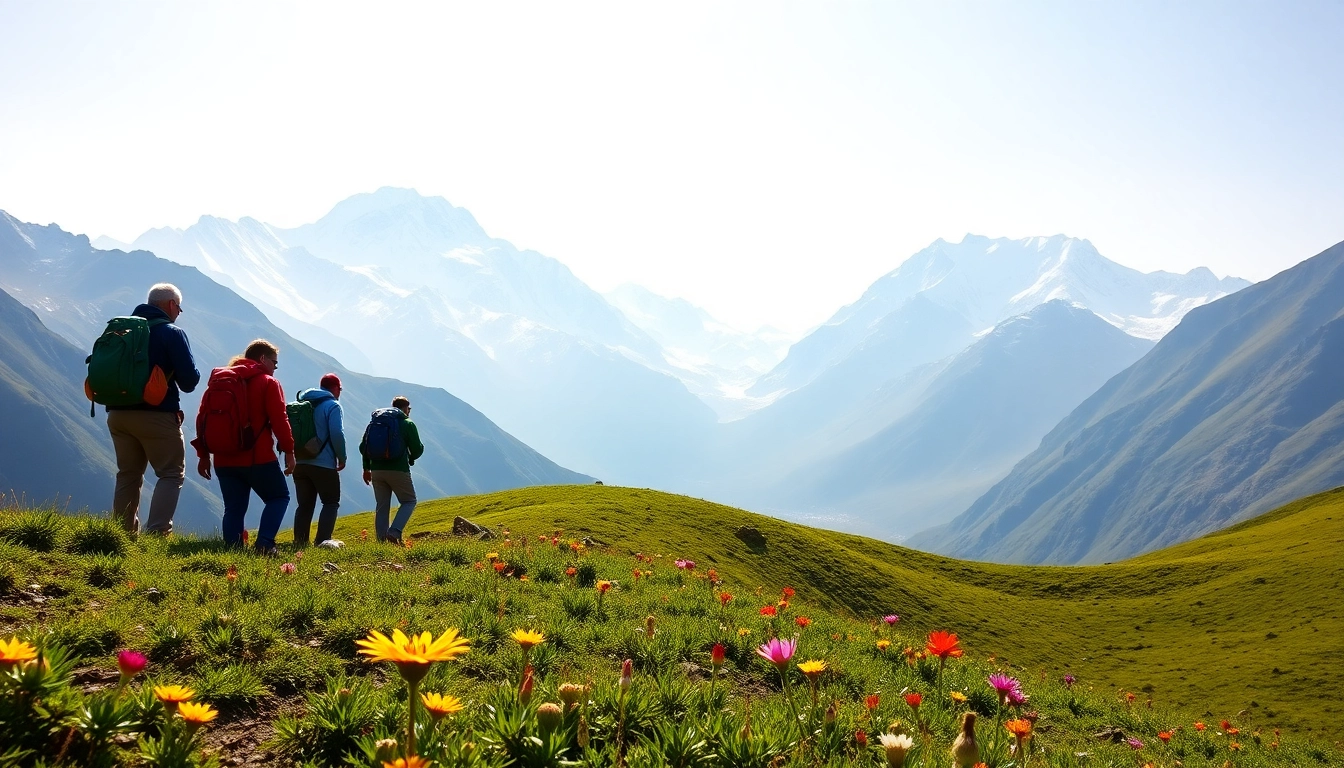
The geographical charm of the Sandakphu trek stems from its location within the Singalila National Park, renowned for its diverse wildlife and endemic flora. The trek navigates through a range of altitudes and ecosystems. From lush green forests populated by fluttering butterflies to snow-capped peaks kissed by the sun, every step brings diverse landscapes and unique panoramic views. The trek’s strategic location allows trekkers to encounter not just the giants of the Himalayas but also various charming villages along the route, offering glimpses into the local culture.
What to Expect During the Trek
While trekkers will be immersed in nature’s splendor, they should also prepare themselves for extended hiking hours and fluctuating weather conditions. Since the Sandakphu trek traverses through rugged terrain, hikers may also encounter rocky pathways, making sturdy footwear and walking poles advisable. Be ready to capture stunning sunrises illuminating four of the world’s tallest peaks – Everest, Kangchenjunga, Lhotse, and Makalu – all visible from the summit.
Planning Your Sandakphu Trek
To ensure a successful adventure on the Sandakphu trek, careful planning is essential. Here’s a comprehensive guide on what to consider.
Best Time for Sandakphu Trekking
The best times to embark on the Sandakphu trek are the spring months of March to April and the autumn months of October to November. During these times, the weather is generally stable, and visibility is at its peak, enhancing your chances of witnessing clear views of the towering Himalayan giants. Each season offers a unique experience; spring is celebrated for vibrant wildflowers while autumn dazzles with crisp air and dynamic views.
Required Permits and Regulations
Trekking in India, especially in sensitive ecological areas like Singalila National Park, requires obtaining specific permits. Trekkers must secure a Forest Permit and register at the top base camp, ensuring environmental sustainability while allowing travelers to enjoy the pristine wilderness freely. It’s advisable to check the latest requirements before embarking on your journey to avoid any potential fines or delays.
Gear and Packing Essentials
Preparing the right gear is crucial for a successful trek. Essentials include:
- Clothing: Layered clothing is most effective to adjust to varying climates. A moisture-wicking base layer, insulating mid-layer, and a windproof jacket are recommended.
- Footwear: Trekking boots with good ankle support are necessary. Don’t forget woolen socks to keep your feet warm and dry.
- Sleeping Gear: A lightweight sleeping bag rated for cold conditions adds comfort during nights in base camps.
- Health & Safety: Carry a personal first aid kit, adequate sun protection including sunglasses, and a high SPF sunscreen to protect against harmful UV rays at high altitudes.
- Hydration & Nutrition: A hydration system (or water bottles) and high-energy snacks are vital to keep your stamina up while on the trail.
Challenges and Preparations
Despite its beauty, the Sandakphu trek presents certain challenges that trekkers must prepare for in advance.
The Difficulty Level of the Sandakphu Trek
The Sandakphu trek is rated as moderate, making it suitable for those with a fair fitness level. It combines sections of flat trails with steeper inclines, particularly as you approach the summit. Extended walking hours can become exhausting, thus requiring a balanced approach to pacing and endurance.
Health and Fitness Considerations
Being in shape is crucial before undertaking the Sandakphu trek. A training plan focusing on cardiovascular endurance, strength training, and long-distance hikes will help condition your body for the demands ahead. Consulting a physician before the trek is advisable, especially for individuals with pre-existing health conditions.
Dealing with Weather Changes
The weather can be unpredictable in the Himalayas. Night temperatures can drop considerably, and sudden rain or snow can occur at any point. Trekkers should familiarize themselves with local weather forecasts and be prepared with the right gear to cope with sudden weather changes.
Scenic Highlights Along the Sandakphu Trek
Several highlights make the Sandakphu trek an unforgettable adventure.
Iconic Views: Everest and Kangchenjunga
The trek’s crowning feature is undeniably the sweeping vistas of Mount Everest and Kangchenjunga. Both peaks are best viewed from Sandakphu, where several vantage points optimize the panoramic experience. As one stands at the summit, the vast expanse of ice and rock showcases nature’s grandeur.
Wildlife and Flora Encountered
Along the route, trekkers may encounter varied wildlife. Common sightings include red pandas, Himalayan black bears, and rare species of birds unique to the region. The flora is equally captivating, with rhododendron trees, pine forests, and medicinal plants lining the pathways.
Cultural Experiences Along the Route
The Sandakphu trek offers insight into the lifestyles of the local communities, particularly the Sherpas and Bhutias. Trekking through their villages exposes visitors to traditional homes, local cuisines, and the chance to engage with friendly locals who often share stories of life in the mountains.
Conclusion and Tips for Successful Trekking
As you prepare for this incredible journey, remember that a successful trek is built upon planning, preparation, and respect for the environment.
Final Thoughts on the Sandakphu Trek
The Sandakphu trek is more than just a physical journey; it’s a transformative experience that reconnects you with nature and yourself. The strategic planning of your route, combined with awareness of physical and environmental challenges, enriches the overall expedition.
Tips for Guiding First-Time Trekkers
New trekkers should consider joining designated trekking groups for a safer experience while benefiting from shared knowledge and camaraderie. Engage with experienced trekkers to gain insight into packing essentials, navigating trails, and acclimatizing to altitude effectively.
Frequently Asked Questions
- How difficult is the Sandakphu trek? The Sandakphu trek is rated as moderate, ideal for trekkers with basic fitness. It’s manageable but can be challenging due to long walking hours and altitude.
- Which month is best for Sandakphu trek? The ideal months are March to April and October to November when the weather is stable and visibility is clear.
- Can beginners do Sandakphu trek? Yes, it is suitable for beginners in good health. Ensure to train prior for stamina during the moderately challenging trek.
- Can I see Mount Everest from Sandakphu? Absolutely! From Sandakphu, you can see Mount Everest, Kangchenjunga, Lhotse, and Makalu simultaneously, providing stunning views.
- What’s the total distance of the Sandakphu trek? The Sandakphu trek covers approximately 50 km, typically spread over 6 to 7 days, depending on your pace.