

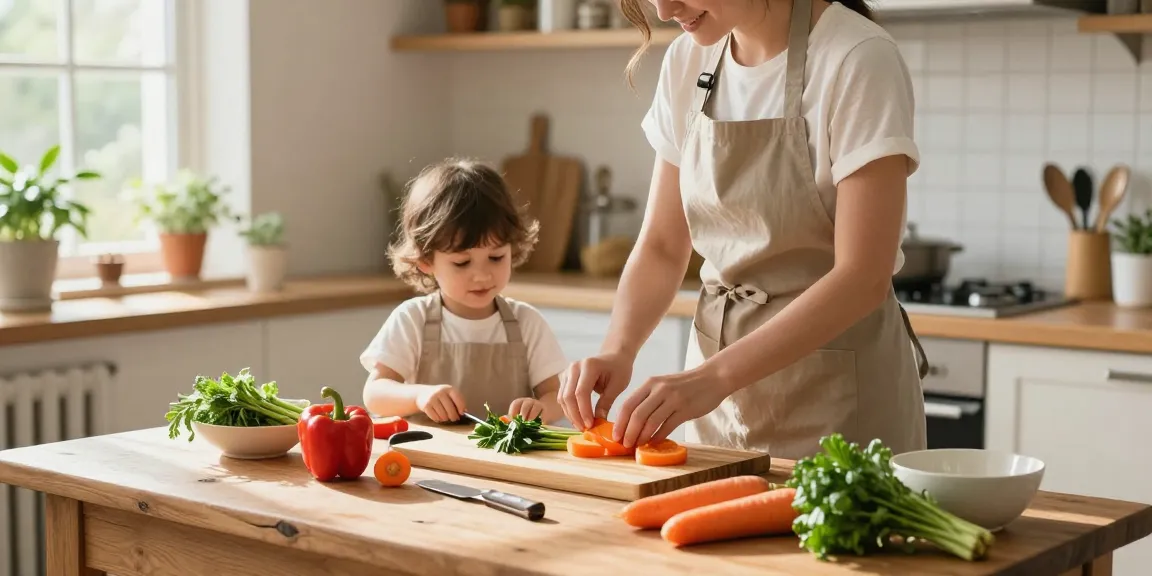
Understanding Bamboo Cutting Boards
Bamboo cutting boards have gained popularity among home chefs and culinary enthusiasts alike for their remarkable combination of functionality and sustainability. As kitchens evolve into spaces that prioritize eco-friendly living and efficient food preparation, the demand for durable kitchen tools continues to grow. When exploring options, bamboo cutting board provides comprehensive insights, making it an excellent choice for conscious consumers.
What Makes Bamboo Cutting Boards Unique?
Bamboo cutting boards stand out due to their unique manufacturing process and the material’s intrinsic properties. Bamboo, a fast-growing grass, is known for its density and sturdiness, making it exceptionally resistant to wear and tear. Unlike traditional hardwoods, bamboo possesses antimicrobial properties, naturally inhibiting the growth of bacteria. This feature not only ensures safe food preparation but also contributes to the longevity of the board itself. With their lightweight nature and resistance to knife marks, bamboo boards are designed for both heavy-duty use and casual meal prep.
Comparing Bamboo to Other Cutting Board Materials
When comparing bamboo cutting boards to other materials such as plastic, wood, and glass, several factors come into play. Plastic boards can harbor bacteria within their deep grooves, often leading to hygiene concerns. Wooden boards, while aesthetically pleasing and durable, require more maintenance to prevent warping and cracking. Glass boards, though easy to clean, can be harsh on knives and pose a risk of breakage. In contrast, bamboo boards strike a harmonious balance, offering durability, ease of maintenance, and a gentle surface for knives, making them a favored option among culinary enthusiasts.
The Benefits of Using Bamboo Cutting Boards
- Eco-Friendly: Bamboo is a renewable resource, making it an environmentally responsible choice.
- Durable: The density of bamboo means it can withstand heavy use without significantly damaging its surface.
- Antimicrobial Properties: Natural antibacterial qualities keep food preparation safe and hygienic.
- Lightweight: Easy to handle and move around the kitchen.
- Cost-Effective: Typically more affordable than other high-quality wood cutting boards.
Choosing the Right Bamboo Cutting Board for Your Needs
With a myriad of bamboo cutting boards available, selecting the right one can be daunting. Understanding the various features, sizes, and styles available will help you make an informed choice tailored to your cooking needs.
Types of Bamboo Cutting Boards for Every Kitchen
Bamboo cutting boards come in several styles, including:
- Standard Cutting Boards: Ideal for everyday use, these boards are versatile and usually double-sided, providing options for different food types.
- Butcher Blocks: Thicker and sturdier, butcher block boards are best for heavier chopping tasks and can handle meat preparation effectively.
- Carving Boards: Designed specifically for carving meat, these boards often come with grooves to catch juices, keeping your counter clean.
Factors to Consider When Buying a Bamboo Cutting Board
Before purchasing a bamboo cutting board, consider the following factors:
- Size: Choose a size that fits your kitchen space and cooking style; larger boards are great for big meal prep, while smaller ones are easy to store.
- Thickness: A thicker board tends to be more durable and less prone to warping.
- Finish: Opt for boards that use food-safe finishes to ensure they are safe for food contact.
- Maintenance: Consider how easy it is to clean and maintain your chosen board.
Top Recommendations for Bamboo Cutting Boards in 2026
As we look ahead to 2026, several bamboo cutting boards are making waves in the market:
- Organic Bamboo Cutting Board Set: This set includes various sizes, perfect for multitasking in the kitchen.
- Natural Finish Bamboo Chopping Block: Ideal for heavy-duty tasks with a smooth finish that’s easy on knife blades.
- Carving Board with Juice Grooves: A must-have for meat lovers, featuring channels that collect juices and prevent mess.
Care and Maintenance of Bamboo Cutting Boards
To keep your bamboo cutting board in optimal condition, proper care and maintenance are crucial. Following simple steps can prolong the life of your board, ensuring it remains a staple in your kitchen for years to come.
How to Properly Clean Your Bamboo Cutting Board
Cleaning your bamboo cutting board is straightforward yet essential:
- Wash with warm, soapy water immediately after use to prevent staining.
- Rinse thoroughly and dry with a clean cloth to avoid water absorption.
- Avoid submerging in water or placing it in a dishwasher, as extreme moisture can warp the board.
Best Practices for Maintaining Your Board’s Longevity
To ensure your bamboo cutting board lasts, implement the following best practices:
- Oil Regularly: Apply mineral oil every few months to keep the wood hydrated and prevent cracking.
- Store Properly: Keep your board flat and away from direct sunlight to minimize warping.
- Avoid Harsh Chemicals: Use mild soaps and avoid bleach or abrasive cleaners to protect the surface.
What to Avoid When Caring for Bamboo Cutting Boards
To maintain the integrity of your bamboo board, avoid the following:
- Soaking the board in water or washing it in the dishwasher.
- Using it for raw meat without proper cleaning in between uses.
- Exposing it to extreme heat sources, which can cause warping.
Creative Uses for Bamboo Cutting Boards
Bamboo cutting boards aren’t just for chopping; they can serve multiple purposes in the culinary world.
Beyond Cutting: Innovative Uses for Bamboo Boards
These boards can be repurposed in several innovative ways:
- Serving Platter: Use them as stylish serving trays for appetizers or cheeses during gatherings.
- Food Preparation Station: Designate a board specifically for meal prep and ingredient assembly, keeping workflow efficient.
- Decorative Display: Use small boards as part of your kitchen decor or as a base for small potted herbs.
How to Use Bamboo Boards in Meal Prep
Bamboo boards can significantly streamline the meal prep process:
- Segment different ingredients on separate boards to avoid cross-contamination.
- Utilize the boards to organize your workspace by grouping similar items together.
- Make chopping easier by using a larger board for bulk preparation, allowing for efficient transfer to pots or storage.
Incorporating Bamboo Boards in Your Kitchen Decor
Beyond functionality, bamboo cutting boards can enhance your kitchen’s aesthetic:
- Choose boards with intricate designs or engravings for decorative purposes.
- Hang them on walls as art pieces when not in use.
- Combine various sizes and shapes for a visually appealing display on countertops.
The Future of Bamboo Cutting Boards and Trends in 2026
As we head deeper into 2026, the bamboo cutting board market is evolving with new trends and innovations that prioritize sustainability and efficiency.
Emerging Designs and Features in Bamboo Cutting Boards
Future bamboo cutting boards are likely to incorporate advanced features:
- Built-in Storage: Boards with compartments or built-in knife storage will enhance functionality.
- Integrated Technology: Boards with digital timers or scales for precise cooking may become standard.
- Customizable Designs: Personalized boards with individual engravings or adjustable sizes for specific cooking needs.
Eco-Friendly Innovations and Sustainability Trends
With the growing importance of sustainability, bamboo cutting boards are leading the charge:
- Manufacturers are adopting eco-friendly adhesives and finishes to reduce environmental impact.
- Recycling programs for old boards are becoming popular, encouraging consumers to maintain eco-friendly practices.
- Increased focus on sourcing bamboo from sustainable farms to preserve biodiversity and ecosystems.
Why Bamboo Cutting Boards Will Remain Popular in Modern Kitchens
The appeal of bamboo cutting boards is likely to persist due to several key factors:
- Longevity and durability make them a staple in kitchenware.
- The inherent antibacterial properties ensure food safety.
- Continued innovation in design and functionality will keep consumers interested.
What Benefits Do Bamboo Cutting Boards Offer?
Choosing bamboo cutting boards offers numerous advantages, including:
- Environmentally friendly options that reduce your carbon footprint.
- Versatility in catering to various kitchen tasks.
- Affordability without compromising quality.
How Can You Ensure Your Bamboo Cutting Board Lasts?
To maximize the lifespan of your bamboo cutting board, regularly maintain and clean it while avoiding practices that lead to damage. Following the best care guidelines will help preserve its functionality and appearance over time.
What Are Common Misconceptions About Bamboo Cutting Boards?
Some consumers may believe that bamboo cutting boards require high maintenance or are less durable than wooden alternatives. In reality, with proper care, they can last just as long and often exceed the performance of traditional wood boards.
Are Bamboo Cutting Boards Safe for Food Preparation?
Yes, bamboo cutting boards are safe for food preparation due to their natural antibacterial properties. However, it’s crucial to clean them properly to maintain hygiene standards.
How Do You Choose the Right Size for a Bamboo Cutting Board?
Selecting the right size should depend on your cooking habits and kitchen space. Larger boards are excellent for prep work, while smaller boards can be perfect for quick tasks and limited counter space.