

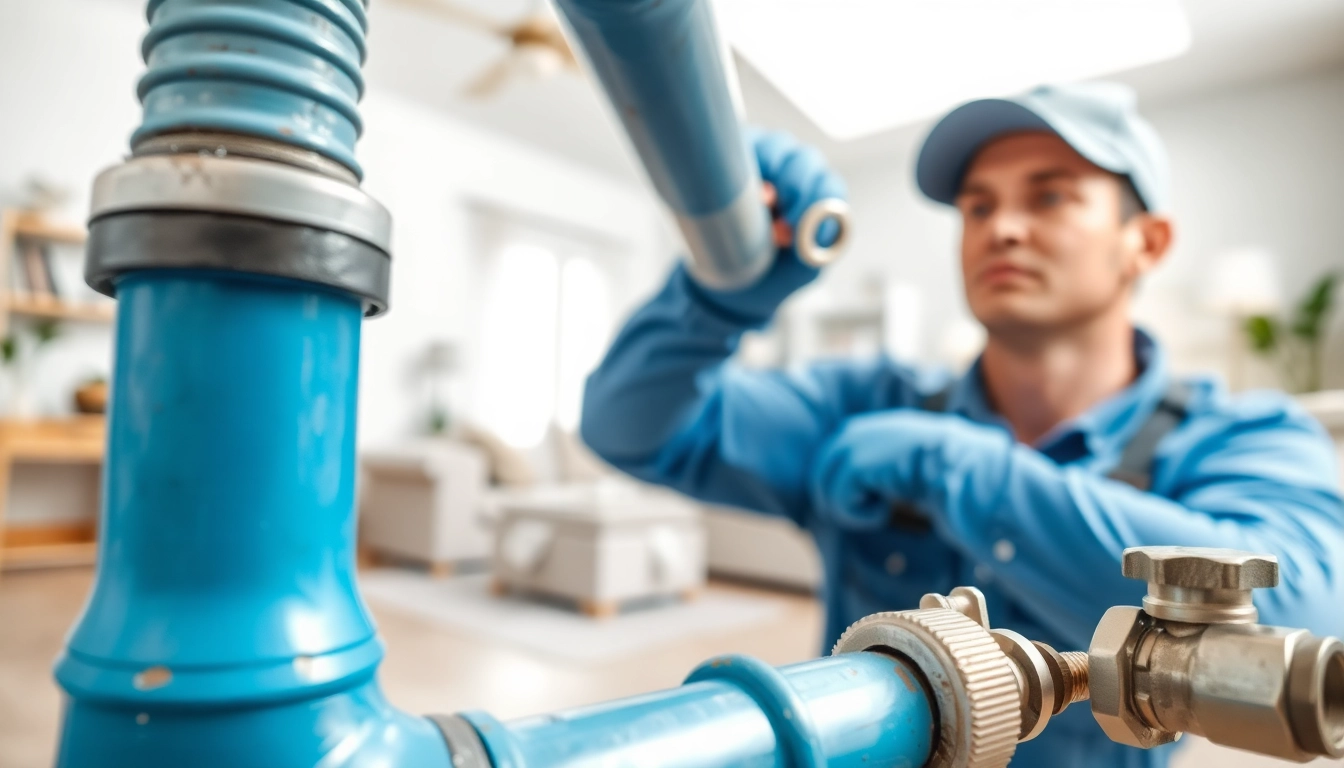
Understanding Whole House Repiping
What is Whole House Repiping?
Whole house repiping is the comprehensive process of replacing all the plumbing pipes in a home. This procedure may become necessary due to various reasons, including outdated materials, severe corrosion, leaks, or frequent plumbing issues. During repiping, existing pipes are removed and replaced with new ones to ensure optimal water flow and prevent further damage. Homeowners in St. Petersburg, FL, often seek whole house repiping services St Petersburg FL when their plumbing systems become inefficient or problematic.
Signs You Need Repiping
Identifying the right time for repiping is crucial for homeowners to maintain a functional plumbing system. Here are common signs indicating that it may be time to consider whole house repiping:
- Frequent Leaks: If you find that leaks are consistently occurring in various locations, this could be a sign that the whole system needs an overhaul.
- Low Water Pressure: Diminished water pressure can indicate blockages in old pipes or extensive corrosion.
- Rusty or Discolored Water: If your water appears rusty or discolored, this could be due to rust in your pipes.
- Age of Pipes: Homes with older plumbing systems, particularly those built before the 1970s, may have outdated materials that are no longer safe or efficient.
- Frequent Clogs: If you constantly experience clogs that require repeated plumbing interventions, it could be a signal of systemic issues.
Benefits of Whole House Repiping
Whole house repiping provides a multitude of benefits that contribute significantly to the overall health and efficiency of a home plumbing system:
- Improved Water Quality: New pipes reduce the risk of contaminants leaching into the water supply, resulting in cleaner, safer water.
- Increased Water Pressure: Fresh pipes reduce restrictions, enhancing water flow and pressure throughout the home.
- Reduced Risk of Water Damage: By replacing aging and corroded pipes, homeowners minimize the chances of unexpected leaks and water damage.
- Enhanced Home Value: An updated plumbing system can significantly increase the value of your home, especially if you plan to sell.
- Peace of Mind: Knowing that your plumbing is up-to-date can give you confidence and reduce the stress of unexpected repairs.
Choosing the Right Materials
Types of Pipes for Repiping
When considering whole house repiping, homeowners need to evaluate various pipe materials to decide which best fits their needs:
- Copper Pipes: A long-standing favorite for plumbing, copper pipes are durable, resistant to corrosion, and can last over 50 years. However, they can be costlier than alternatives.
- PEX (Cross-Linked Polyethylene): A newer and increasingly popular option, PEX is flexible, easy to install, and resistant to scale and chlorine. It is also notably less expensive than copper.
- CPVC (Chlorinated Polyvinyl Chloride): CPVC pipes are resistant to corrosion and are suitable for both hot and cold water applications. They are less flexible than PEX but are also typically cost-effective.
- Galvanized Steel: Once a common choice, this material is less frequently used today due to its susceptibility to corrosion and scale buildup.
Comparing Copper and PEX
When it comes to choosing between copper and PEX, both materials have their pros and cons. Copper pipes are renowned for their longevity and resistance to heat; however, they can be affected by water quality and may corrode over time. PEX, while not as durable as copper, is much more adaptable and easier to install, making it a favored choice among many plumbers. Additionally, PEX will not corrode and is less prone to freezing in colder environments, adding to its versatility.
Environmental Considerations
Environmental implications can also shape the choice of plumbing materials. Copper, while recyclable, is an energy-intensive material to produce. Conversely, PEX uses less energy in production and installation, which can lessen its overall environmental impact. Additionally, it requires less water for installation compared with traditional choices, making it a more eco-friendly option.
The Repiping Process Explained
Initial Assessment and Inspection
The first step in the repiping process involves a thorough inspection of the existing plumbing system. Professional plumbers will assess the layout of the current pipes, identify problem areas, and determine the scope of work required. Conducting this assessment allows for more accurate estimates in terms of budget and timelines.
Steps Involved in Repiping
After the initial assessment, the actual repiping process typically involves several well-defined steps:
- Shut Off Water Supply: Before any work can commence, the main water supply is turned off to prevent flooding.
- Remove Existing Pipes: Plumbers will carefully remove the old pipes, ensuring minimal damage to the surrounding structure.
- Install New Pipes: The selected pipe material is then installed according to the layout designed during the assessment phase.
- Reconnect Fixtures: All plumbing fixtures, including sinks, toilets, and appliances, are reconnected to the new piping system.
- Pressure Test: Once everything is installed, a pressure test is conducted to ensure there are no leaks and that the system operates correctly.
- Final Inspection and Clean-Up: After successful testing, a final inspection is performed, followed by cleanup of the work area.
Post-Installation Checklist
After the installation of new plumbing, it is crucial to review a checklist to ensure everything is in order. Important factors to consider include:
- Confirming all connections are tight.
- Ensuring there are no visible leaks.
- Testing water pressure in various fixtures.
- Inspecting the overall layout for accessibility and future maintenance.
- Discussing maintenance tips with your plumber for optimal performance.
Costs and Budgeting for Repiping
Understanding Repiping Costs
The costs of whole house repiping can vary widely depending on several factors, including the type of material chosen, the size of the home, and the complexity of the plumbing layout. On average, homeowners can expect to pay from $5,000 to $15,000 for a full repiping job. Factors contributing to the overall cost include labor, material prices, and any unforeseen issues that may arise during the installation process.
Financing Options for Homeowners
Many homeowners find financing options helpful for managing the expenses associated with repiping. Various financial solutions may include home equity loans, personal loans, or specialized home improvement financing. It is essential to shop around and compare interest rates and terms to find the best fit that suits your financial situation.
Cost-Saving Tips for Repiping
Saving money on repiping can be a priority for many homeowners. To reduce overall costs, consider the following tips:
- Schedule During Off-Peak Seasons: Prices tend to fluctuate based on demand; scheduling your repiping during less busy seasons can lead to cost savings.
- Get Multiple Estimates: Obtain quotes from different plumbing service providers to ensure you’re getting a fair price.
- Choose the Right Materials: Weigh the pros and cons of different plumbing materials to find the best balance between cost and longevity.
- Consider DIY for Minor Repairs: If you’re capable, handling smaller plumbing fixes by yourself can save on labor costs.
Frequently Asked Questions
How long does whole house repiping take?
The duration for whole house repiping can vary, commonly taking 1 to 3 days, depending on the size of the home and complexity of the plumbing system.
Will I have to leave my home during repiping?
While many homeowners can stay during the process, it may be best to vacate during the busiest work hours, especially if multiple tradespeople are involved.
How long will my new pipes last?
New pipes can last anywhere from 25 years for PEX to over 50 years for copper if properly maintained and if the water quality is good.
Are there any warranties on repiping services?
Many plumbing companies offer warranties on the workmanship and materials used. It’s essential to discuss options with your contractor before finalizing the job.
How to maintain my repiped plumbing system?
Regular maintenance includes monitoring water pressure, checking for leaks, and scheduling periodic inspections to ensure longevity and system reliability.