

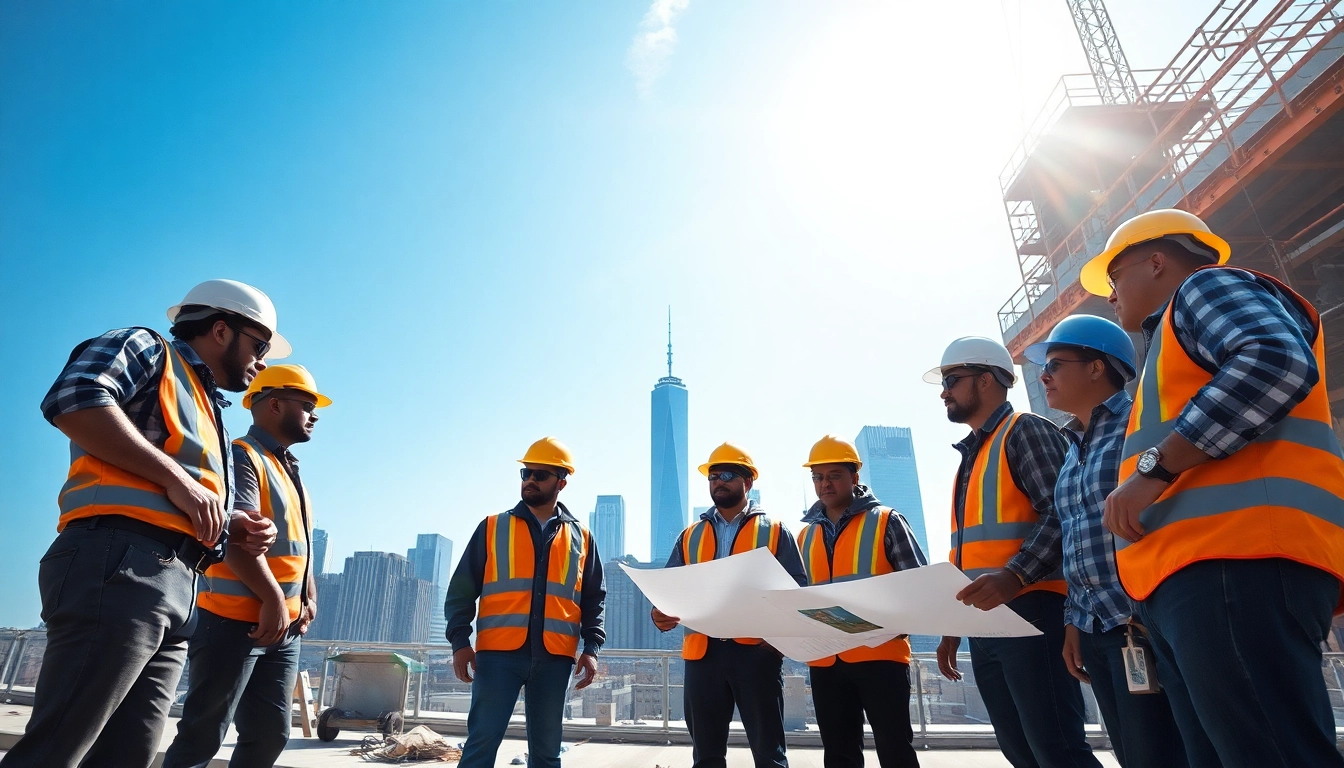
Understanding the Role of a New York City Commercial General Contractor
In the bustling landscape of New York City, the role of a commercial general contractor (GC) is paramount to the success of numerous building projects. These professionals serve as the backbone of construction, bringing together various elements of the construction process to ensure that projects are completed on time, within budget, and to the required standards. Understanding the unique responsibilities and functions of a New York City Commercial General Contractor is essential for business owners, property developers, and investors looking to navigate the complexities of this urban environment.
What a Commercial General Contractor Does
A commercial general contractor acts as the primary contractor responsible for overseeing construction projects. They manage all aspects of a construction project, from the initial planning stages through to completion. Their expertise helps ensure that quality standards are met, regulatory compliance is achieved, and that the project progresses according to the agreed timeline and budget.
Key Responsibilities and Tasks
The responsibilities of a commercial general contractor extend beyond just project execution. They include:
- Project Planning: Developing a detailed plan that outlines the timeline, budget, resources, and milestones of the project.
- Hiring Subcontractors: Selecting skilled subcontractors for specialized tasks such as plumbing, electrical work, and masonry. This requires a vetting process to ensure quality and reliability.
- Coordinating Construction Activities: Overseeing and coordinating all activities on site, ensuring that workers are aware of their tasks and that materials are available.
- Quality Control: Monitoring the work being performed to ensure it meets the specifications of the project and complies with local building codes and industry standards.
- Client Communication: Maintaining open and effective communication with clients, updating them on progress, challenges, and any changes needed to the initial plan.
- Handling Permits and Regulations: Navigating the complex regulatory environment of New York City by acquiring necessary permits and ensuring compliance with local laws and codes.
Importance of Project Management Skills
The role of a commercial general contractor requires strong project management skills. GCs must effectively allocate resources, manage timelines, and navigate unexpected challenges that arise. This involves:
- Time Management: Ensuring that every phase of the project adheres to the timeline.
- Budget Management: Keeping track of expenditures and ensuring the project remains within budget.
- Risk Management: Identifying potential risks and developing strategies to mitigate them proactively.
- Leadership: Coordinating teams and motivating workers to maintain productivity and morale on-site.
Choosing the Right New York City Commercial General Contractor
Choosing a commercial general contractor in New York City is critical for the success of any construction project. The process involves assessing multiple factors to ensure the selected contractor aligns with your project’s specific needs.
Factors to Consider When Hiring
When hiring a New York City Commercial General Contractor, consider the following factors:
- Experience: Look for a contractor with a strong track record in similar projects within New York City.
- Reputation: Seek referrals and read reviews to gauge the contractor’s reliability and professionalism.
- Specialization: Ensure the contractor has expertise in the specific type of construction your project entails.
- Financial Stability: Assess the financial health of the contractor to ensure they can complete the project without interruptions.
- Insurance and Licensing: Verify that the contractor holds the necessary licenses and insurance to operate in New York City.
Checking Credentials and Experience
It is essential to conduct thorough due diligence before making a hiring decision. Check the contractor’s credentials by requesting:
- Proof of License: Ensure that the contractor has all required licenses to legally perform work in New York City.
- Insurance Certificates: Verify that the contractor carries sufficient liability insurance and worker’s compensation insurance.
- Past Project Portfolio: Review examples of past projects to assess the quality of their work and their ability to meet deadlines.
The Role of Client-Contractor Relationships
A strong client-contractor relationship is foundational to a successful construction project. Establishing mutual trust, transparency, and ongoing communication can lead to better decision-making and problem-solving throughout the project’s lifecycle. This relationship should involve:
- Regular Updates: Frequent updates regarding the project’s progress, issues, and timelines.
- Open Dialogue: Opportunities for feedback and questions from both parties to address concerns promptly.
- Flexibility: Ability to adapt to changing project needs or unexpected challenges collaboratively.
Common Challenges Faced by New York City Commercial General Contractors
Operating as a general contractor in New York City comes with inherent challenges. Being aware of these obstacles can better prepare contractors and clients alike to navigate the complexities of construction.
Budget Constraints and Financial Management
Managing a budget is one of the primary challenges faced by commercial general contractors. Issues may arise due to unexpected changes in material costs, labor disputes, or delays. To manage budgets effectively, contractors must:
- Conduct Thorough Budget Assessments: Establish a detailed budget that accounts for all foreseeable expenses.
- Implement Cost-Control Measures: Monitor spending continuously and identify areas where costs can be reduced without compromising quality.
- Negotiate Contracts: Work closely with suppliers and subcontractors to secure favorable pricing agreements.
Managing Timelines and Deadlines
Timely project completion is crucial yet challenging due to various factors such as weather changes, labor shortages, and supply chain issues. General contractors can implement strategies such as:
- Creating Detailed Timelines: Outline key project milestones and deadlines to ensure everyone is aligned.
- Using Project Management Tools: Employ technology to streamline scheduling, resource allocation, and task completion tracking.
- Providing Contingency Plans: Develop backup plans to address potential delays proactively.
Navigating City Regulations and Permits
New York City’s regulatory environment can pose significant challenges. General contractors must stay informed about current zoning laws, safety codes, and necessary permits. To successfully navigate these regulations, consider the following:
- Engage with City Officials: Build relationships with city officials to gain insights and guidance on permitting processes.
- Prioritize Compliance: Conduct regular compliance checks to ensure that all aspects of the project are within legal requirements.
Best Practices for Successful Construction Projects
To achieve success in construction projects, commercial general contractors must adhere to best practices that promote efficiency, safety, and quality.
Effective Communication Strategies
Clear communication is vital in construction. Effective communication ensures everyone involved in the project collaborates smoothly. Best practices include:
- Establishing Communication Protocols: Define how information will be shared and ensure that all parties have access to updates.
- Regular Meetings: Hold scheduled meetings to discuss progress, address concerns, and plan future steps.
- Utilizing Digital Tools: Leverage project management software to centralize communication and updates.
Implementing Safety Measures on Site
Safety in construction is non-negotiable. General contractors must prioritize safety to protect workers and avoid project delays. Effective practices include:
- Regular Safety Training: Conduct ongoing training to ensure that every worker understands safety protocols.
- Safety Equipment: Ensure that all crew members have access to necessary personal protective equipment (PPE).
- Site Inspections: Perform frequent safety checks to identify potential hazards and promptly address them.
Utilizing Technology for Project Management
Incorporating technology into project management enhances efficiency and accountability. General contractors can utilize tools such as:
- Building Information Modeling (BIM): Implementing BIM allows for detailed project visualization and improved collaboration.
- Project Management Software: Use tools like Asana or Trello for task management, scheduling, and budgeting.
- Drones and 3D Scanners: These technologies facilitate site inspections and monitoring progress without physical presence.
Future Trends in Commercial Contracting in New York City
The commercial contracting landscape in New York City is continuously evolving. Staying abreast of upcoming trends can provide contractors with a competitive edge.
Sustainability in Construction Practices
There is a growing demand for sustainable building practices in New York City. General contractors can respond by adopting green practices such as:
- Selecting Sustainable Materials: Utilize eco-friendly materials that minimize environmental impact.
- Incorporating Energy-Efficient Designs: Aim for energy-efficient systems that reduce long-term operating costs and carbon footprints.
- Waste Reduction: Implement waste management plans to recycle and reduce materials used on site.
Innovations in Building Materials
Innovative building materials are shaping the future of construction. General contractors should stay informed about advancements that enhance performance and sustainability, including:
- Recycled Materials: Explore options for incorporating recycled components into construction to reduce waste.
- Prefabricated Elements: Use prefabricated systems to reduce on-site construction time and improve quality control.
- Smart Materials: Investigate materials that adapt to environmental conditions, such as self-healing concrete.
The Rise of Smart Building Technologies
As smart technology evolves, it is becoming integral to building design and functionality. Contractors should consider the integration of:
- Automated Systems: Incorporate systems that monitor and control lighting, heating, and security through smart technologies.
- IoT Devices: Utilize Internet of Things (IoT) devices for real-time monitoring and reporting of building performance.
- Data Analytics: Leverage data analytics to improve decision-making and efficient resource management.
Frequently Asked Questions
What is the average timeline for a commercial construction project in NYC?
The timeline varies greatly depending on the project size and complexity, typically ranging from several months to a few years.
How do I ensure my project stays within budget?
Conduct thorough planning, monitor expenses closely, and communicate with your contractor regularly about any issues.
What permits do I need for commercial construction in NYC?
Permits vary based on project scope but often include building permits, zoning permits, and environmental reviews.
What should I look for in a contractor’s portfolio?
Examine completed projects similar to yours, focusing on quality, scope, and the contractor’s ability to meet deadlines.
How can technology improve my construction project?
Technology enhances efficiency through better project management, improved safety measures, and real-time communication.