

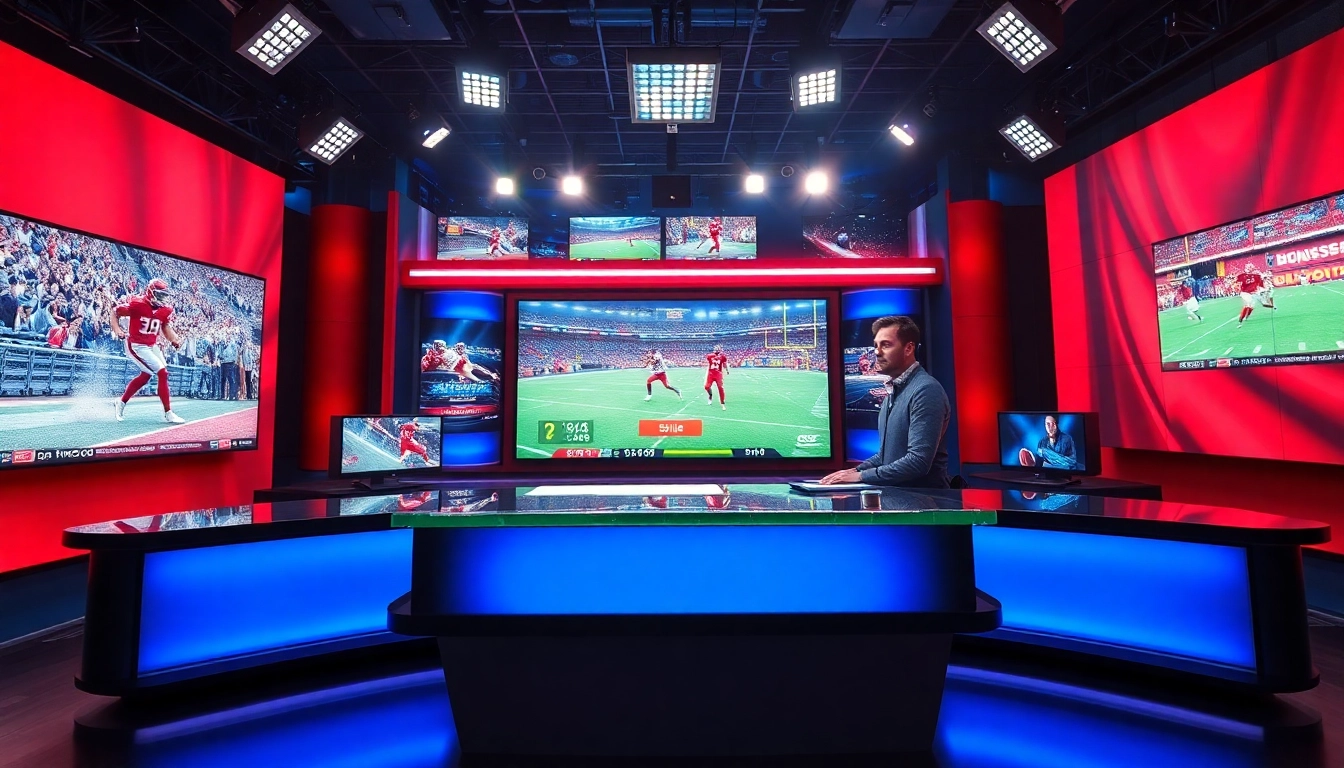
Understanding Sports Broadcasting
Definition and Importance
Sports broadcasting refers to the live transmission of sporting events to audiences via television, radio, or online platforms. It plays a crucial role in how fans engage with their favorite sports, allowing them to enjoy events from the comfort of their homes or on the go. The Sports Broadcasting industry has evolved significantly over the years, adapting to technological advancements and changes in viewer habits.
The importance of sports broadcasting extends beyond mere entertainment. It serves as a major revenue generator for sports leagues and networks, provides athletes with visibility and sponsorship opportunities, and fosters community engagement through local and national pride. In a world increasingly driven by digital interaction, sports broadcasting stands as a pivotal element in cultivating and maintaining public interest in athletic competitions.
History of Sports Broadcasting
The origins of sports broadcasting date back to the early 20th century, with radio being the first medium to transmit live sports events. Iconic moments, such as the 1921 boxing match between Jack Dempsey and George Carpentier, marked a turning point, bringing the thrill of live sports to audiences far beyond the event locations. The advent of television in the 1950s further transformed the landscape, with networks competing for broadcast rights to showcase popular sports, including football, baseball, and basketball.
As technology progressed, so did the methods of broadcasting. The introduction of color television enhanced viewer experiences, while satellite and cable systems expanded access to a wider audience. The internet revolutionized the way fans consume sports in the late 1990s and early 2000s, paving the way for live streaming and digital platforms that offer viewers instant access to events, highlights, and stats on demand.
Current Trends in Sports Broadcasting
Today, the landscape of sports broadcasting is dynamic and rapidly evolving. Key trends shaping the industry include:
- Streaming Services: Traditional cable subscriptions are declining, with more viewers opting for on-demand streaming platforms that offer flexibility in viewing options.
- Social Media Integration: Networks leverage social media platforms to engage fans through live updates, interactive content, and behind-the-scenes coverage, creating an immersive experience.
- Data-Driven Analytics: Broadcasters utilize data analytics to enhance storytelling, providing viewers with real-time statistics and insights to deepen their understanding of the games.
- Augmented and Virtual Reality: Innovations in AR and VR technology provide fans with unique viewing experiences that go beyond conventional broadcasts, immersive them into the action.
- Personalized Content: Advanced algorithms analyze viewers’ preferences, allowing broadcasters to tailor content to individual tastes, increasing viewer retention and engagement.
Key Components of Effective Sports Broadcasting
Audio and Visual Quality
High-quality audio and visual elements are the backbone of any successful sports broadcasting endeavor. Viewers should enjoy clear visuals and crisp audio to immerse themselves fully in the experience. The use of high-definition cameras, advanced audio technologies, and optimized broadcasting equipment ensures that the sporting action is captured authentically. However, it’s not just about using the latest technology; it’s about applying it effectively to create an engaging viewing experience for the audience.
Moreover, the strategic placement of cameras enhances viewer experience. Using multiple camera angles, slow-motion replays, and graphics can provide fans with deeper insights into the game’s dynamics, making the broadcast both informative and exciting.
Engaging Commentary and Analysis
Commentary plays a vital role in sports broadcasting by providing context and analysis that enriches the viewer’s understanding of the game. Engaging commentators, who can blend entertaining storytelling with insightful analysis, can elevate a broadcast. Their ability to articulate key plays, strategies, and statistics while capturing the emotional highs and lows of the event is essential.
Moreover, involving former athletes and experts can lend credibility and depth to the analysis, helping audiences connect with the content more meaningfully. A balanced approach, where entertainment meets insightful commentary, ensures viewer engagement remains high throughout the broadcast.
Utilizing Technology in Sports Broadcasting
Technology is transforming how sports are broadcasted, offering unprecedented opportunities for innovation. Key technological advancements include:
- High-Definition Streaming: The transition to high-definition and 4K streaming has become the standard, offering viewers breathtaking visuals and an immersive viewing experience.
- Drone and Robotic Cameras: The use of drones and robotic cameras facilitates unique angles and dynamic shots, adding visual interest and excitement to the broadcast.
- In-game Graphics and Overlays: Real-time graphics enhance viewership by providing players’ stats, scores, and other vital information, keeping viewers informed and engaged.
- Artificial Intelligence: AI technologies can analyze game footage, offer predictive analytics, and automate highlight creation, offering broadcasters insights that improve content delivery.
Challenges Faced in Sports Broadcasting
Technical Difficulties
While sports broadcasting has evolved dramatically, it still faces technical challenges. Equipment failures, signal disruptions, and software glitches can impact broadcasts, leading to viewer dissatisfaction. Ensuring a seamless experience requires robust infrastructure, thorough planning, and backup systems in place. Effective maintenance protocols, routine checks, and investing in reliable technology can mitigate many of these risks.
Audience Engagement Risks
Maintaining viewer engagement during broadcasts is a constant challenge. With the proliferation of entertainment options, sports broadcasters must continuously innovate to capture and retain audience interest. Poorly executed broadcasts, lack of interaction, or repetitive content may lead to viewer drop-off. Implementing interactive segments and soliciting viewer feedback can help tailor broadcasts to audience preferences and foster community engagement.
Legal and Licensing Issues
Legal challenges and licensing agreements represent significant hurdles in sports broadcasting. Broadcasters must navigate complex rights negotiations, ensuring proper licensing for content usage. Unauthorized broadcasts can lead to substantial penalties, damaging reputation and financial losses. Staying informed of legal changes and actively engaging with legal advisors is essential for compliance and risk management in this fast-paced environment.
Best Practices for Sports Broadcasting Professionals
Preparation and Research
Thorough preparation and research are fundamental for sports broadcasters. Knowing the athlete’s history, team dynamics, statistics, and recent injuries allows broadcasters to provide enriched content. Extensive pre-game research translates into engaging commentary, compelling storytelling, and an overall more satisfying viewer experience. Additionally, establishing relationships with teams and athletes can provide valuable insights and exclusive content.
Audience Interaction Techniques
Fostering a sense of community among viewers enhances engagement. Techniques such as live polls, Q&A sessions, and audience shout-outs keep fans involved in the broadcast. Emphasizing viewer-generated content, such as social media comments during broadcasts or highlighting fan experiences, bridges the gap between the audience and the broadcasting team, cultivating a loyal viewer base.
Leveraging Social Media
Social media platforms are powerful tools for expanding reach and engagement. Broadcasters can use these platforms to promote upcoming events, share highlights, interact with fans, and provide additional context around broadcasts. Real-time updates during matches can attract and maintain viewer interest, while social media contests or giveaways incentivize audience interaction and loyalty.
Measuring Success in Sports Broadcasting
Key Performance Indicators
Measuring success in sports broadcasting necessitates a comprehensive approach. Key performance indicators (KPIs) may include viewer ratings, audience retention rates, social media engagement metrics, and revenue generated from advertisements. Analyzing these metrics enables broadcasters to identify growth opportunities and areas requiring improvement.
Feedback and Viewer Ratings
Soliciting viewer feedback and understanding audience satisfaction levels provide insights essential for continuous improvement. Engaging surveys, focus groups, and online reviews can present valuable perspectives, allowing broadcasters to adapt their offerings to meet viewer expectations better. Tracking ratings can also reveal trends, helping broadcasters to modify content strategy effectively.
Continuous Improvement Strategies
In an ever-evolving industry, consistent improvement is paramount for success. Employing strategies such as ongoing training for broadcast teams, monitoring industry trends, and investing in cutting-edge technology can enhance broadcast quality and drive viewer engagement. Regularly analyzing success metrics and adapting strategies based on feedback creates a forward-thinking broadcasting environment that is responsive to viewer needs and expectations.
Frequently Asked Questions
1. What is sports broadcasting?
Sports broadcasting involves transmitting live sports events to audiences through television, radio, or online platforms. It connects fans to the excitement of the games.
2. Why is technology important in sports broadcasting?
Technology enhances audio-visual quality and allows for unique perspectives and data-driven content, ensuring an engaging and informative viewer experience.
3. How can broadcasters engage their audience effectively?
By leveraging social media, interactive segments, and audience feedback, broadcasters can create a sense of community and keep viewers engaged during broadcasts.
4. What challenges do sports broadcasters face?
Common challenges include technical difficulties, audience engagement risks, and legal licensing issues, all requiring proactive strategies to mitigate risks.
5. How is the success of sports broadcasting measured?
Success can be evaluated through viewer ratings, audience retention, social media engagement, and the revenue generated from advertising and sponsorships.