

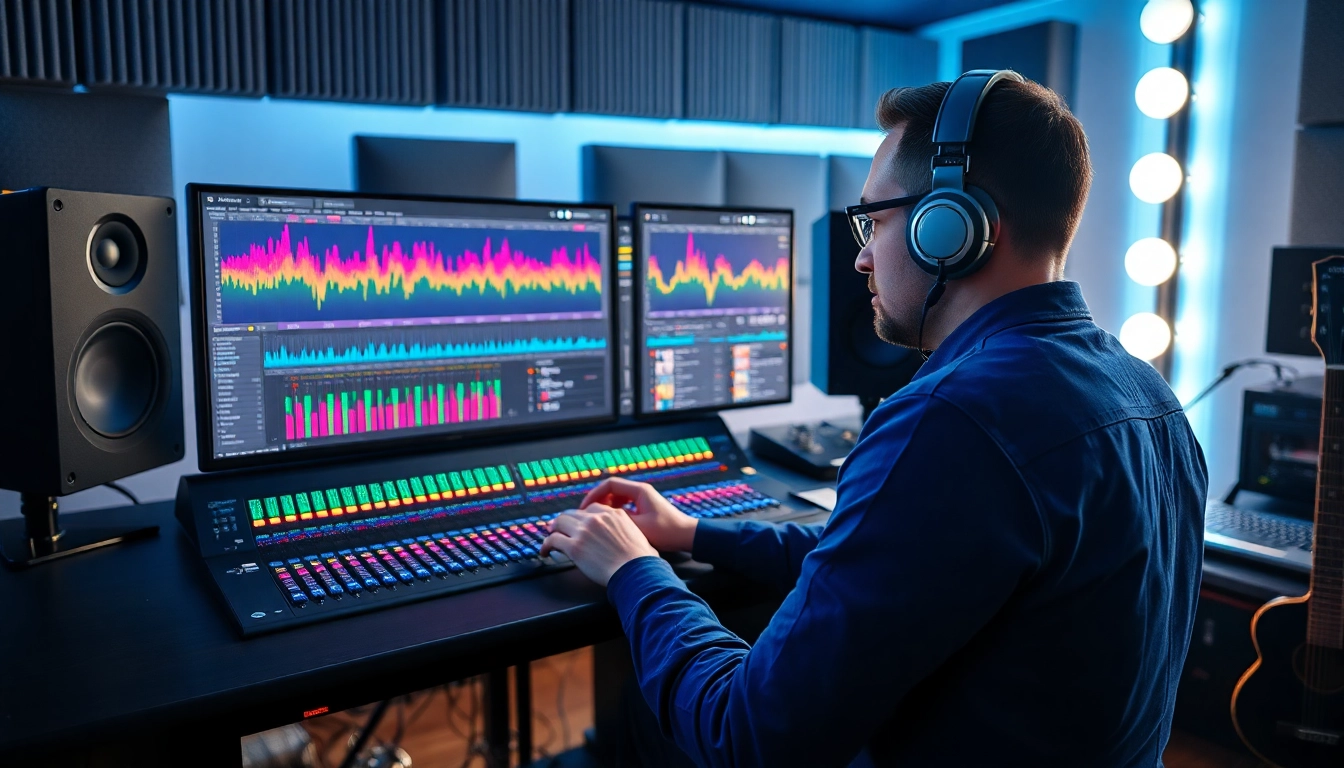
Understanding the Basics of Online Mastering
What is Online Mastering?
Online mastering is a digital music production process that involves preparing and transferring recorded audio from a source to a data storage device. It ensures that the final product sounds polished and professional, ready for distribution or streaming. Unlike traditional mastering sessions that require in-person attendance, online mastering allows artists to send their tracks to specialists who handle the final touches remotely, providing convenience without sacrificing quality.
The Importance of Mastering in Music Production
Mastering is often regarded as the final step in music production, crucial for creating a cohesive audio experience. It enhances the overall sound quality, ensuring that the track translates well across various playback systems, from professional studio monitors to earphones. Additionally, mastering serves to equalize tonal balance, manage dynamics, and increase loudness, allowing for a competitive edge in today’s saturated music landscape.
Key Differences Between Mixing and Mastering
While mixing and mastering are both essential processes in music production, they serve distinct purposes. Mixing involves combining individual audio tracks, adjusting levels, panning, and adding effects to craft the song’s overall sonic identity. Mastering, however, focuses on optimizing the final mix, ensuring each track sounds its best in various formats. Whereas mixing is more art-centric, mastering is a technical process aimed at achieving clarity, consistency, and loudness across musical works.
Choosing the Right Online Mastering Service
Factors to Consider When Selecting a Service
When choosing an online mastering service, consider factors such as the expertise of the mastering engineers, the technology used, and the types of genres they specialize in. Look for services that offer a user-friendly platform for uploading files and provide clear communication regarding the mastering process. Additionally, check if they can accommodate your specific audio formats and file requirements.
Costs and Packages: What to Expect
The cost of online mastering services can vary widely depending on factors like the complexity of the track and the reputation of the service provider. Most services offer tiered packages, which can include basic mastering with limited revisions to comprehensive packages involving multiple revisions and additional formats. Budgeting wisely and understanding what each package offers are essential to avoid any surprises during the process.
Evaluating Service Quality: Testimonials and Samples
To assess an online mastering service’s quality, review testimonials and samples of their past work. Listening to tracks previously mastered by the service can provide insight into their style and capabilities. Additionally, genuine feedback from other musicians can highlight strengths, weaknesses, and the overall satisfaction level experienced by previous clients, guiding your decision-making process.
Essential Techniques for Effective Online Mastering
Dynamic Range and Loudness Management
Effective online mastering requires a careful balance of dynamic range and loudness. It’s essential to maintain a rich dynamic range, which adds depth and emotion to the music. However, contemporary tracks often require higher loudness levels to compete in streaming platforms. Utilizing tools such as limiters and maximizers can help achieve the right loudness while preserving the track’s artistic integrity.
Equalization Techniques for Clarity
Equalization (EQ) plays a vital role in mastering by ensuring clarity and balance across the frequency spectrum. Employing both corrective and creative EQ techniques helps remove unwanted frequencies, enhance desired tones, and manage resonance issues. By carefully sculpting your track’s EQ, you can ensure it sounds cleaner and more polished across various playback systems.
Using Compression and Other Effects
Compression is another key technique used in online mastering to control dynamic range and add punch to the mix. Properly applying compression helps to glue the mix together, ensuring elements sound cohesive. Additionally, effects like stereo widening and saturation can enrich the audio experience, making it more engaging for listeners. It’s crucial, however, to apply these techniques judiciously to maintain the original character of the track.
Common Mistakes to Avoid in Online Mastering
Over-Compression and Its Effects
One of the most common mistakes in online mastering is over-compression, which can lead to a lifeless and flat mix. While compression is essential, excessive use can strip the track of its dynamics and diminish its emotional impact. Strive for a balance that enhances the sounds without killing the natural flow of the music.
Ignoring Frequency Balance
Another pitfall is ignoring frequency balance, which can result in a mix that sounds muddy or harsh. Each frequency range should be appropriately represented; neglecting this can make the track lose its clarity. Always listen critically during the mastering phase, and use tools like spectrum analyzers to visually assess the frequency balance.
Not Listening on Different Systems
Mastering based solely on studio monitors can lead to a skewed perspective. It’s vital to test your track on various systems, such as headphones, car speakers, and different playback devices. This practice ensures that your track consistently delivers a quality experience, regardless of where it’s heard.
Measuring Success After Online Mastering
Listening Tests: What to Focus On
Post-mastering, conducting listening tests is crucial. Focus on the overall clarity, balance, and dynamics of the track. It’s also essential to check for any unwanted artifacts or issues that may have been introduced during the mastering process. Evaluating how the track feels in conjunction with other songs in a playlist can provide further insight into its effectiveness.
Gathering Feedback from Listeners
Seeking feedback from listeners helps gauge the track’s reception. Create a small group of trusted listeners whose opinions you value, and gather their insights on the sound quality and impact of the mastered track. Their perspectives can reveal strengths and potential areas for improvement that your own listening may not have caught.
Using Analytics to Track Impact
In today’s digital age, utilizing analytics tools can help measure the success of a track after mastering. Reviewing metrics such as streaming plays, downloads, and listener engagement can provide a clearer understanding of how well the track resonates with the audience. Tracking these data points over time allows for informed decisions regarding future projects and mastering approaches.
Frequently Asked Questions
What is the difference between mixing and mastering?
Mixing involves combining individual audio tracks, adjusting levels, and applying effects, while mastering optimizes the final mix for consistency and clarity across formats.
How long does online mastering take?
Online mastering turnaround times can vary, but it typically takes anywhere from a few hours to a few days, depending on the service and backlog of requests.
Can I give specific instructions for my online mastering?
Yes! Most online mastering services allow you to provide notes or preferences to guide the mastering engineer in aligning the final output with your vision.
Do I need to use a professional studio for mastering?
No, online mastering can be done remotely without a professional studio. Many talented engineers offer high-quality services from home studios.
How can I ensure my track sounds good on all systems?
Test your mastered track on various playback systems, such as headphones and car speakers. Listening in different environments helps ensure consistent sound quality.