
Understanding Colonial Home Renovation
Colonial home renovation is a nuanced process that requires skill, appreciation for design, and a deep understanding of architectural history. For homeowners looking to enhance their space while preserving its original character, a well-planned renovation can breathe new life into a colonial structure. Whether you are considering your first renovation or are experienced in home improvement, this guide will offer valuable insights into effectively navigating the complexities of colonial home renovation.
What Defines Colonial Architecture?
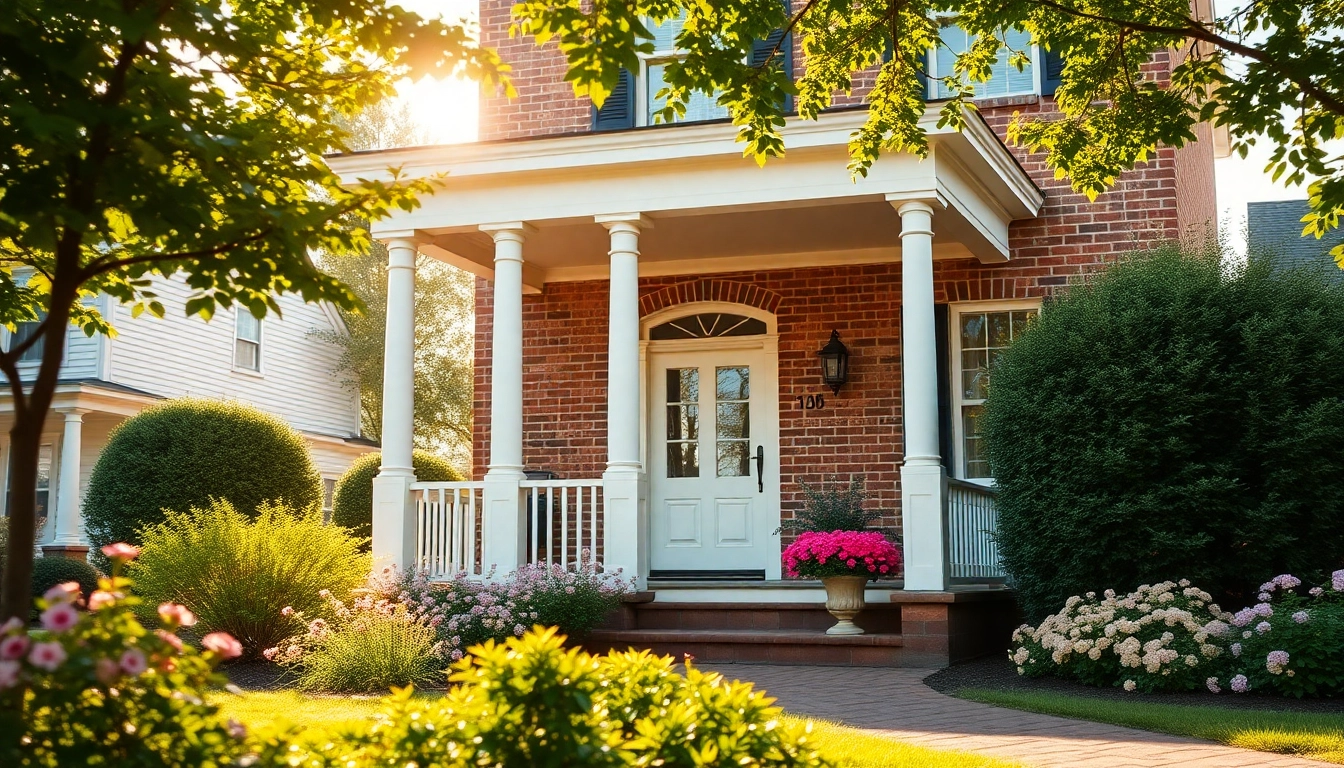
Colonial architecture has roots in the early American colonies and draws inspiration from various European styles. Characterized by symmetry, balanced proportions, and classic detailing, colonial homes typically feature distinct elements such as square or rectangular shapes, centered front doors, and multi-pane windows. Rooflines can be steeply pitched, and materials used often include wood, brick, and stone. Each colonial subset, such as Georgian, Federal, or Dutch Colonial, adds unique attributes to the overarching architectural style.
Benefits of Colonial Home Renovation
Renovating a colonial home comes with many benefits. Firstly, it allows homeowners to maintain the historical integrity of the home while updating its functionality. Modern amenities can coexist with traditional architecture, providing improved comfort and convenience without sacrificing authenticity. Additionally, colonial homes often feature quality materials that stand the test of time. By renovating, homeowners not only preserve these valuable elements but also increase the property value significantly.
Common Features to Preserve
When embarking on a colonial home renovation, certain features are quintessential to the architectural style and should be preserved. Rooflines that reflect traditional shapes, original woodwork such as moldings and banisters, and multi-paned windows contribute to the home’s character. Attention should also be given to fireplaces, mantels, and the overall façade to maintain historical continuity. Ensuring these elements remain intact or are restored enhances the home’s charm while honoring its past.
Planning Your Colonial Home Renovation
Effective planning is crucial in any home renovation project, especially when working within the bounds of colonial architecture. Understanding the financial, logistical, and time constraints of your project will set the stage for a successful renovation.
Setting a Realistic Budget
Establishing a realistic budget is a foundational step in your renovation process. This should encompass everything from labor and materials to unforeseen expenses. A typical colonial home renovation can range from $50,000 to $200,000, depending on various factors. To arrive at a more precise cost, break down the elements of renovation—such as foundational work, electrical updates, and aesthetic enhancements—while leaving room for contingencies. Resourcefulness and creativity can help stretch your budget while ensuring essential upgrades are prioritized.
Choosing the Right Professionals
Selecting the right team of professionals is vital for a successful colonial home renovation. Look for architects, contractors, and designers who specialize in historical renovations and have extensive experience with colonial design principles. A qualified architect will not only ensure structural integrity but also design coherence with existing elements. When interviewing potential hires, request portfolios that highlight past renovation projects similar to yours and check references meticulously.
Timeline and Project Management
A well-structured timeline is critical to keep your colonial home renovation on track. Gather input from your contractor and architect to establish realistic deadlines for different phases of the project. Remember that certain tasks may overlap, such as finishing the interiors while landscaping the exterior. Utilizing project management tools or hiring a dedicated project manager can help streamline communication and accountability, ensuring the renovation runs smoothly.
Key Elements in Colonial Home Renovation
As you embark on the renovation process, focusing on specific elements will help navigate design and structural improvements.
Exterior Designs to Consider
Exterior renovations can have a significant impact on the visual appeal of colonial homes. Common enhancements include restoring or replacing siding with period-appropriate materials while maintaining color schemes that reflect the building’s heritage. Adding classic porches, shutters, and period-style lighting fixtures can further enhance the home’s curb appeal. Landscaping should also reflect the colonial style with symmetrical gardens and greenery that complement the architecture.
Interior Layout Adjustments
Colonial homes often have compartmentalized layouts that may no longer serve modern living. Carefully considered interior layout adjustments can create open spaces while respecting historical charm. While removing non-load-bearing walls can enhance flow and connectivity, it’s crucial to consult your architect to ensure that structural dynamics remain intact. Open-concept designs can benefit from period-appropriate accents that continue to celebrate the home’s history.
Modern Upgrades While Maintaining Character
Balancing modern upgrades with historical integrity is a challenge many homeowners face during renovations. Implementing energy-efficient appliances, advanced HVAC systems, and updated plumbing is essential. However, such upgrades should be stealthily integrated. For example, choose modern finishes or fixtures in designs that echo historical aesthetics. This balance ensures that while the home meets today’s standards, it still pays homage to its colonial roots.
Challenges in Colonial Home Renovation
Every renovation comes with its set of challenges. For colonial home renovations, these can include structural issues, historical regulations, and energy efficiency considerations.
Dealing with Structural Issues
Many colonial homes may have structural issues due to age, including foundational problems, rot, and outdated framing. Addressing these issues should be prioritized early in the renovation process. Engaging a specialized structural engineer can help identify hidden issues not immediately visible. Prioritize foundational repairs and support structural elements before moving on to aesthetic renovations.
Navigating Historical Preservation Laws
Renovating historic colonial homes may require navigating local preservation laws and guidelines. It’s essential to research your local historic district regulations as they can dictate what modifications are permissible. Working closely with local preservation societies and specialists familiar with these regulations can ease the process and mitigate potential legal challenges.
Ensuring Energy Efficiency
Many colonial homes were not designed with energy efficiency in mind, leading to high energy costs. Addressing insulation, window efficiency, and heating systems during renovations is paramount. Strategies such as installing energy-efficient windows that mimic the original style or adding insulation in attics and walls can dramatically improve energy performance without compromising aesthetic values. These enhancements not only reduce utility bills but also contribute to sustainability.
FAQs About Colonial Home Renovation
How long does a colonial home renovation typically take?
Renovations can take anywhere from a few months to a year, depending on scope and complexity. Factors include the size of the home, the extent of changes, and contractor availability.
What are the costs involved in a colonial home renovation?
Costs vary significantly based on project scale, materials, and labor. Homeowners can expect costs to range from $50,000 to over $200,000 for thorough renovations.
Should I hire an architect for renovation?
Hiring an architect is strongly recommended, especially for maintaining structural integrity and ensuring design continuity, which is crucial in historic homes.
Can I do renovations myself?
While DIY is feasible for minor projects, major renovations typically require professional expertise to ensure safety, compliance, and design coherence.
What features are essential to preserve?
Key features to preserve include original rooflines, windows, doors, and any unique moldings or woodwork that define the colonial aesthetic and architecture.