

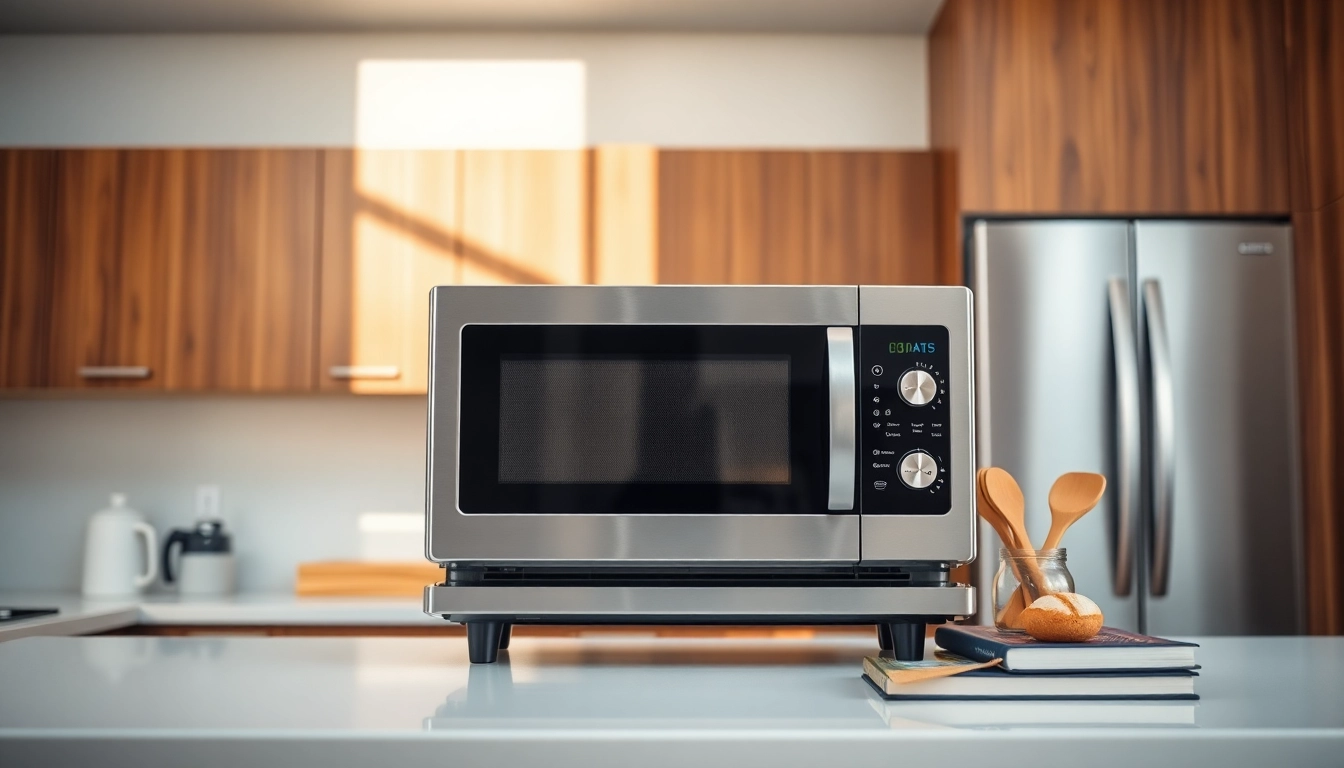
Understanding Microwave Oven Sales Trends
Current Market Overview
The microwave oven market is experiencing significant growth and transformation due to changing consumer preferences, technological advancements, and evolving cooking habits. As busy lifestyles drive demand for quick and convenient cooking methods, more households are investing in microwave ovens. This surge in demand is reflected in the rising Microwave Oven Sales, highlighting not just the popularity but also the adaptability of microwave technology.
The global microwave oven market is projected to expand significantly in the upcoming years, with innovations like smart technology and integration with home automation systems being key contributors to this growth. As consumers prioritize efficiency without compromising on functionality, understanding these trends is crucial for manufacturers, retailers, and consumers alike. For detailed insights into Microwave Oven Sales and trends, check Microwave Oven Sales.
Factors Influencing Sales
Several factors significantly influence microwave oven sales, including:
- Technological Innovations: Features such as sensor cooking, convection heating, and smart connectivity are driving the modern consumer’s purchasing decisions.
- Changing Lifestyles: With more people prioritizing convenience in their cooking, particularly working professionals and families, the demand for microwaves has surged.
- Health Consciousness: As consumers become more health-conscious, they lean towards appliances that facilitate healthier cooking, such as steam and grill functions.
- Energy Efficiency: With rising energy costs, consumers are increasingly seeking appliances that are energy efficient, which is becoming a key selling point.
Consumer Preferences and Behavior
The behavior and preferences of today’s consumers are critically shaping microwave oven sales. Modern consumers prioritize versatility and functionality, often looking for models that offer diverse cooking methods, such as baking, grilling, and reheating. User-friendly controls, compact sizes for smaller kitchens, and aesthetic designs that complement contemporary décor also play a pivotal role in purchasing decisions.
Moreover, consumers are becoming more informed and research-driven, relying on online reviews and comparison platforms to guide their choices. They examine energy ratings and warranty coverages closely, demonstrating a shift towards conscientious purchasing.
Navigating Different Types of Microwave Ovens
Countertop vs. Built-in Microwaves
Countertop and built-in microwaves represent two distinct options within the microwave oven category. Countertop models are flexible and portable, allowing for easy placement and relocation, making them suitable for renters or those with limited kitchen space. These models usually offer a range of features at various price points, catering to budget-conscious consumers.
On the other hand, built-in microwaves provide a seamless look in kitchen designs and conserve counter space. These units are integrated into cabinetry, promoting a cleaner aesthetic and often featuring higher-end functionalities. However, they typically come with a higher price tag and require professional installation, which might not be suitable for every household.
Conventional vs. Convection Microwaves
Conventional microwaves use microwave radiation to cook food quickly, making them ideal for reheating and defrosting. They are generally less expensive and easier to operate, providing straightforward cooking capabilities.
Conversely, convection microwaves combine the traditional microwave cooking method with convection heat, allowing for browning and baking. This versatility makes convection models a popular choice among cooking enthusiasts as they offer superior results for a broader range of recipes. While these can be pricier, their multifunctionality can lead to long-term savings by reducing the need for additional appliances.
Smart Microwaves and Their Advantages
Smart microwaves have entered the market with groundbreaking features that enhance user convenience. These models integrate with home Wi-Fi systems, allowing for remote operation via smartphone apps, voice control through virtual assistants, and even real-time cooking instructions. This level of interactivity brings unprecedented ease to day-to-day cooking tasks.
Additionally, smart microwaves often include pre-programmed settings that adapt cooking times and power levels based on food types, streamlining the cooking process for users and improving consistency in results. The initial investment may be higher than traditional microwaves, but the convenience and technology-driven features may justify the cost for technology-savvy consumers.
Top Features to Consider When Buying
Power Levels and Cooking Functions
Power levels and cooking functions are critical factors in determining how well a microwave will meet a consumer’s needs. Higher wattage typically indicates better performance, as food cooks faster and more evenly. Most microwaves range from 600 to 1200 watts, with 1000 watts being the most recommended for standard cooking tasks.
Moreover, diverse cooking functions—such as defrost, reheat, steam, and grill—enhance versatility. Consumers should look for models that provide these functions to expand their culinary options and improve efficiency.
Size and Capacity Requirements
Size and capacity are essential considerations when selecting a microwave. The capacity of microwaves is measured in cubic feet, impacting how much food can be prepared in one go. Smaller models (1.0–1.5 cubic feet) are suitable for individuals or couples, while families or those who often entertain may prefer larger units (2.0 cubic feet or more).
Additionally, it’s important to account for kitchen space and ensure that the microwave fits comfortably within countertops or cabinetry. This suitability can significantly enhance workflow and usability in the kitchen.
Energy Efficiency and Sustainability
As more consumers focus on sustainability, energy efficiency becomes a pivotal selling point. Look for microwaves that boast features like eco-mode or Energy Star ratings, which indicate lower energy consumption. This investment not only contributes to environmental sustainability but also leads to long-term savings on energy bills.
Furthermore, understanding the lifecycle of the product—from production to disposal—can help consumers make environmentally friendly choices. Opting for manufacturers committed to sustainability can improve overall impact and influence positive change within the industry.
Effective Marketing Strategies for Microwave Oven Sales
Utilizing Social Media Platforms
As a primary method of connecting with consumers, social media platforms can play a significant role in marketing microwave ovens. Platforms such as Instagram, Facebook, and Pinterest are ideal for showcasing visually appealing cooking techniques or innovative recipes, attracting an audience drawn to culinary creativity. Brands can utilize targeted advertisements and collaborative campaigns to extend their reach and engage with potential buyers effectively.
Influencer Collaborations for Increased Visibility
Partnering with influencers in the cooking and lifestyle space can significantly elevate brand visibility in the microwave oven market. Influencers can create authentic, engaging content that showcases product features and uses, driving consumer interest and trust. Their endorsement serves as a testimonial, often resonating deeply with followers and influencing purchasing decisions.
SEO Best Practices for Online Listings
Implementing SEO best practices is crucial for maximizing online visibility in an e-commerce environment. Utilizing relevant keywords throughout product descriptions, optimizing images with alt tags, and ensuring website performance and mobile compatibility are fundamental strategies. Focusing on local SEO can also attract nearby customers, enhancing foot traffic in physical stores.
FAQs About Microwave Oven Sales
What are the benefits of a convection microwave?
Convection microwaves combine microwave and convection cooking methods, allowing for faster, more even cooking and browning.
How do I choose the right size microwave?
Consider kitchen space and meal preparation needs. A microwave’s capacity should match your cooking habits, typically measured in cubic feet.
Are smart microwaves worth the investment?
Smart microwaves offer convenient features like app control and voice activation, making them worthy for tech-savvy users looking to streamline cooking.
What factors can influence microwave prices?
Prices are affected by brand, features, size, and technology. Higher-end models with advanced functionalities generally cost more.
How can I ensure energy efficiency in microwave usage?
Use appropriate power settings, utilize the appliance for its intended functions, and maintain it well to maximize energy efficiency.