
Understanding Roofing Needs in South Jersey
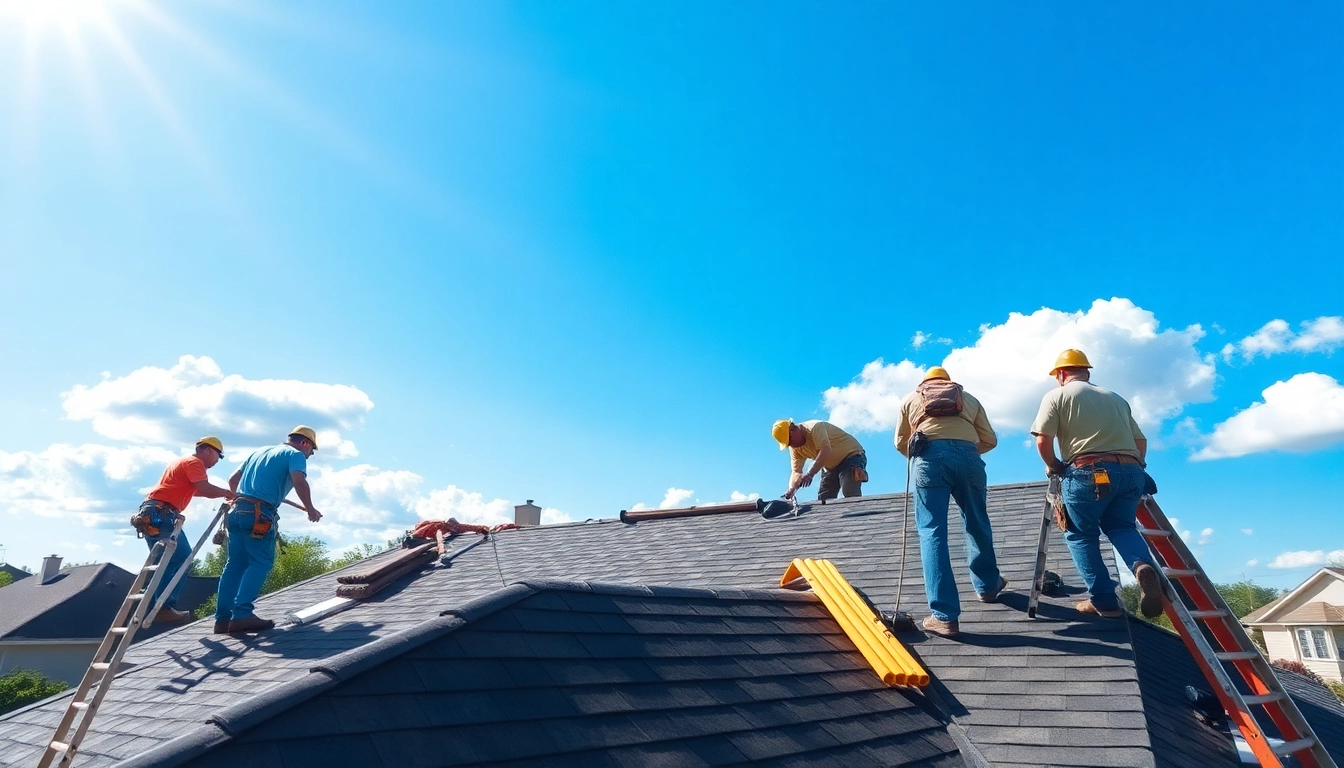
The roofing needs of homes in South jersey are as diverse as the landscape itself. From the picturesque waterfront views to the dense wooded areas, roofs are subjected to a variety of weather conditions and environmental factors that can lead to unique challenges. Understanding these needs is crucial for homeowners to ensure the longevity and durability of their roofs.
Identifying Common Roofing Issues
In South Jersey, several common roofing issues often arise, primarily due to the region’s climate, seasonal changes, and architectural styles. Here are some of the most prevalent problems to consider:
- Leakage: One of the most significant threats to roof integrity, leaks can stem from damaged shingles, poorly sealed flashing, or age-related wear. Early detection is crucial, as leaks can lead to extensive interior damage if left unchecked.
- Shingle Damage: High winds, heavy rain, and hail can cause shingles to crack, lose granules, or blow off entirely. Regular inspections can help identify damaged shingles before they lead to larger problems.
- Moss and Algae Growth: The humid summers in South Jersey may encourage the growth of moss and algae on roofs, which can trap moisture and accelerate shingle deterioration.
- Ponding Water: Flat roofs are particularly prone to ponding water, which can lead to leaks and structural damage over time. Proper drainage systems are essential to avoid this issue.
- Flashing Issues: Flashing, the material used to redirect water away from critical areas like chimneys and vents, is prone to corrosion and failure, especially in older roofs.
Types of Roofing Materials Available
Choosing the right roofing material is crucial for the durability and aesthetic appeal of a home in South Jersey. Homeowners can select from various materials, each with its benefits and drawbacks:
- Asphalt Shingles: The most popular roofing material, asphalt shingles are cost-effective, easy to install, and come in various styles and colors. They are suitable for most homes but may not last as long in extreme weather conditions.
- Metal Roofing: Increasingly popular due to its longevity and minimal maintenance, metal roofing is resistant to extreme weather and offers excellent energy efficiency. However, the initial investment is higher than for asphalt shingles.
- Wood Shake: This traditional roofing option provides a classic look but requires more maintenance and is susceptible to fire and rot. It is essential to choose a treated wood product for better durability.
- Slate: Known for its luxurious appearance and extreme longevity, slate roofs can last over 100 years. However, they are heavy and require professional installation, making them one of the costliest options.
- Tile: Clay or concrete tiles offer exceptional durability and are resistant to UV rays and thermal shock. They are ideal for the climates of South Jersey but require a reinforced structure due to their weight.
Factors Influencing Roofing Costs
Several factors contribute to the overall cost of a roofing project in South Jersey. Understanding these variables can help homeowners budget effectively:
- Roof Size: The larger the roof, the more materials and labor will be required, leading to increased costs.
- Material Choice: Selecting a premium roofing material will generally increase the overall cost. It’s essential to balance aesthetics and durability within budget constraints.
- Labor Costs: Labor rates can vary based on the contractor’s experience and the complexity of the installation, particularly for steep or multi-level roofs.
- Roof Condition: If there are underlying issues, such as damage to the decking or structural problems, the cost may rise due to additional repairs required before installation.
- Permits and Insurance: In South Jersey, obtaining the necessary permits and ensuring proper insurance coverage for the project can add to upfront costs.
Choosing the Right Roofing Contractor in South Jersey
Finding a reliable roofing contractor is essential to ensuring a successful roofing project. Homeowners should conduct thorough research to select a professional who meets their needs.
Qualities to Look for in a Roofing Company
When selecting a roofing contractor, consider the following qualities:
- Experience: Look for a contractor with significant experience in the industry. An established background often equates to a higher level of expertise and reliability.
- Reputation: Check online reviews and ask for references to gauge the company’s reputation in the South Jersey community.
- Professionalism: A good contractor will communicate clearly, provide detailed estimates, and demonstrate a high level of professionalism throughout the project.
- Insurance and Licensing: Ensure that the contractor carries liability insurance and is licensed to operate in South Jersey to protect yourself from potential liabilities.
- Warranty: A reputable contractor will offer warranties for both materials and labor, giving homeowners peace of mind regarding their investment.
Verifying Credentials and Reviews
Before finalizing a contractor, take the time to verify their credentials. Here are steps to ensure you’re hiring a reputable company:
- Check with the Better Business Bureau (BBB) for any complaints or reviews.
- Verify the contractor’s licensing through state and local regulatory agencies.
- Request proof of liability insurance and workers’ compensation coverage.
- Contact previous clients to ask about their experiences and satisfaction.
Getting Accurate Estimates
Obtaining multiple estimates is essential to ensure that you’re receiving a fair price for your roofing project. When requesting estimates, consider the following tips:
- Ensure estimates include detailed breakdowns of materials, labor, and any additional costs.
- Ask about the types and brands of materials that will be used.
- Consider the timeline for completing the project as part of the estimate.
- Compare estimates, but remember that the lowest price does not always guarantee quality.
Planning Your Roofing Project
Proper planning can make the roofing process smoother and less stressful. Homeowners in South Jersey should consider various aspects when preparing for their roofing project.
Timeline for Completing a Roofing Job
The timeline for a roofing project can vary based on several factors, including the size of the roof, weather conditions, and contractor availability. Most roofing projects can be completed within a week, provided there are no significant delays. Here’s a general timeline breakdown:
- Inspection and Planning: 1-2 days for detailed assessments and material selection.
- Preparation: 1 day for setting up scaffolding and protecting property.
- Installation: 3-5 days, depending on the complexity and size of the roof.
- Post-Installation Inspection: 1 day for the contractor to check their work and ensure quality.
Preparing Your Home for Roofing Work
To ensure a smooth roofing experience, homeowners should take several steps to prepare their properties:
- Clear the area around the home of any decorative items, furniture, and vehicles to provide ample space for workers.
- Inform neighbors about the upcoming work to mitigate any inconvenience.
- Ensure pets are kept indoors or away from the work area for their safety.
- Consider off-site storage for valuable items, as roofing work can create debris and noise.
Communication with Your Contractor
Clear communication with your roofing contractor is vital for a successful project. Homeowners should feel comfortable asking questions and discussing any concerns throughout the process. Maintain an open dialogue about project timelines, changes in scope, and any unforeseen issues that may arise.
Maintenance Tips for South Jersey Roofs
Regular maintenance is crucial for extending the lifespan of roofs in South Jersey. Adhering to best practices can prevent costly repairs and ensure your roof remains in optimal condition.
Seasonal Care Guidelines
The climate in South Jersey demands specific attention during seasonal transitions. Here are some tips for seasonal roof maintenance:
- Spring: Inspect for winter damage, clear debris, and check for signs of mold or moss growth.
- Summer: Inspect for signs of leaks and ensure proper attic ventilation to avoid heat buildup.
- Fall: Clean gutters to prevent blockages and inspect shingles after hurricane season.
- Winter: Remove snow accumulation to prevent ice dam formation and inspect roof for ice damage.
Common Signs of Roof Damage
Being vigilant about potential roof damage can save homeowners from expensive repairs. Look out for these common signs:
- Water stains or discoloration in the ceiling or walls.
- Missing, cracked, or curling shingles.
- Visible sagging or drooping in the roofline.
- Moss or algae growth indicating trapped moisture.
- Increased energy bills, which may signal inadequate insulation or ventilation issues.
When to Schedule Professional Inspections
Regular professional inspections are crucial, especially after severe weather events. It is advisable to schedule a thorough inspection at least once a year or more frequently if your roof is older or if you notice signs of damage. Professional inspectors can identify issues that may not be visible to the untrained eye.
FAQs about Roofing in South Jersey
What factors affect roofing costs?
Roofing costs vary based on the roof size, material quality, labor, and any necessary repairs. Obtaining multiple estimates can help clarify expected costs.
How long does a typical roof installation take?
Most roofing installations take between 3 to 7 days, depending on the roof’s size and complexity. Weather conditions can also impact timelines.
What are the signs of roof damage?
Common signs include water stains on ceilings, missing or cracked shingles, and visible sagging. Regular inspections can help catch issues early.
Why is regular roof maintenance important?
Regular maintenance extends your roof’s lifespan, prevents major issues, and maintains the home’s energy efficiency while protecting your investment.
Can I install a roof myself?
While DIY roof installation is possible, it is challenging and risky. Hiring a professional ensures safety and long-lasting quality.